
 English
 한국어
한국어 中文简体
中文简体H-Shaped Inductors: How They Improve Circuit Efficiency and Stability
Content
What Makes H-Shaped Inductors Different
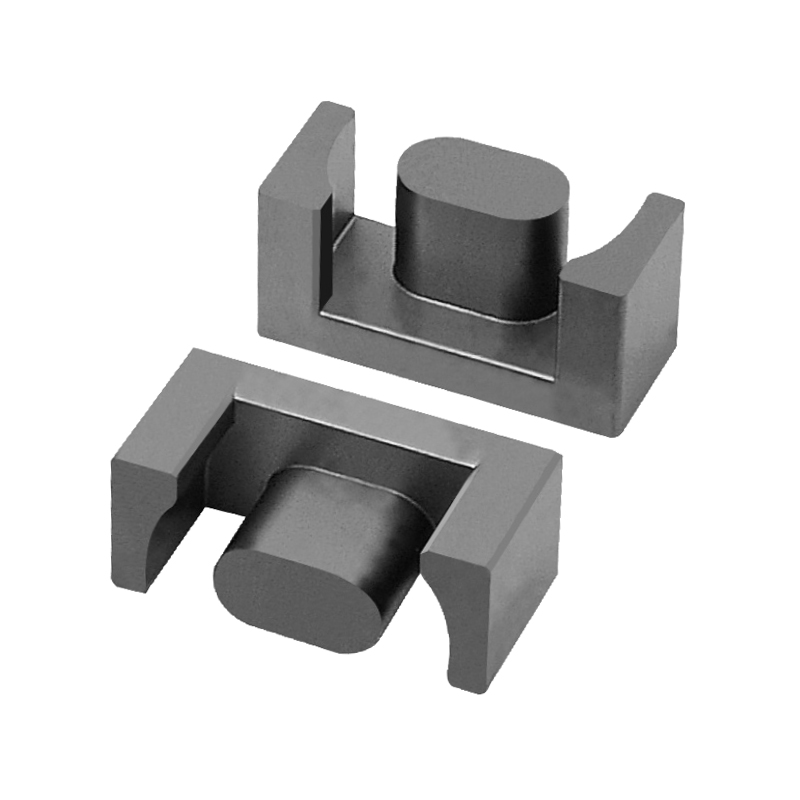
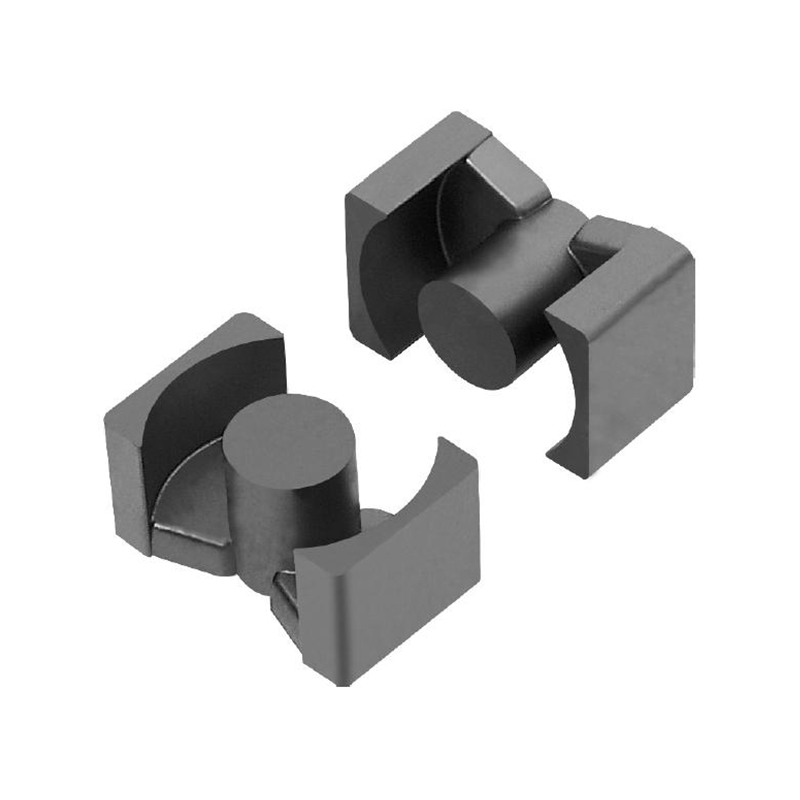
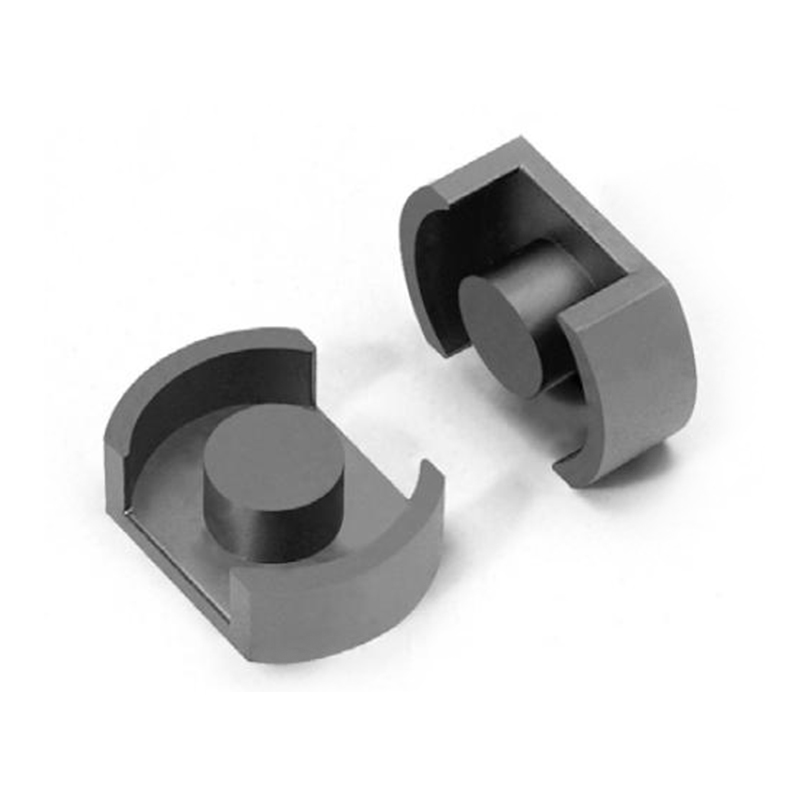
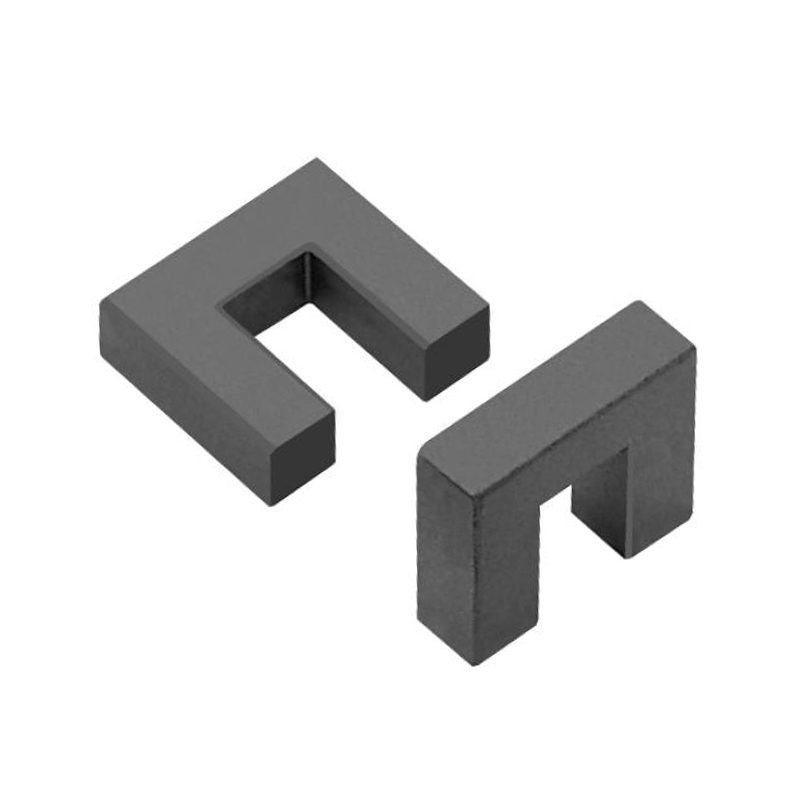
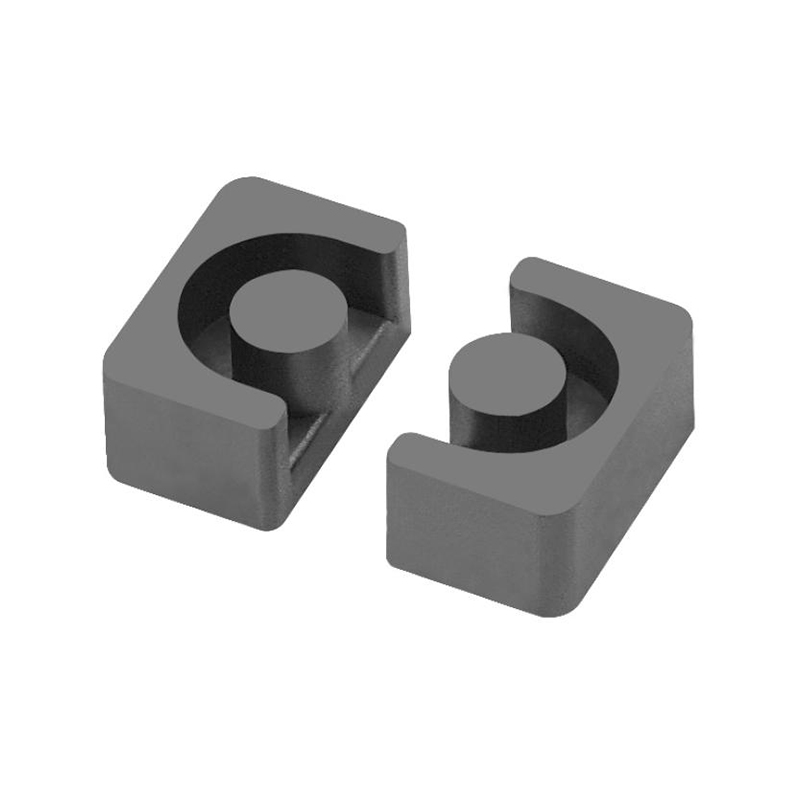
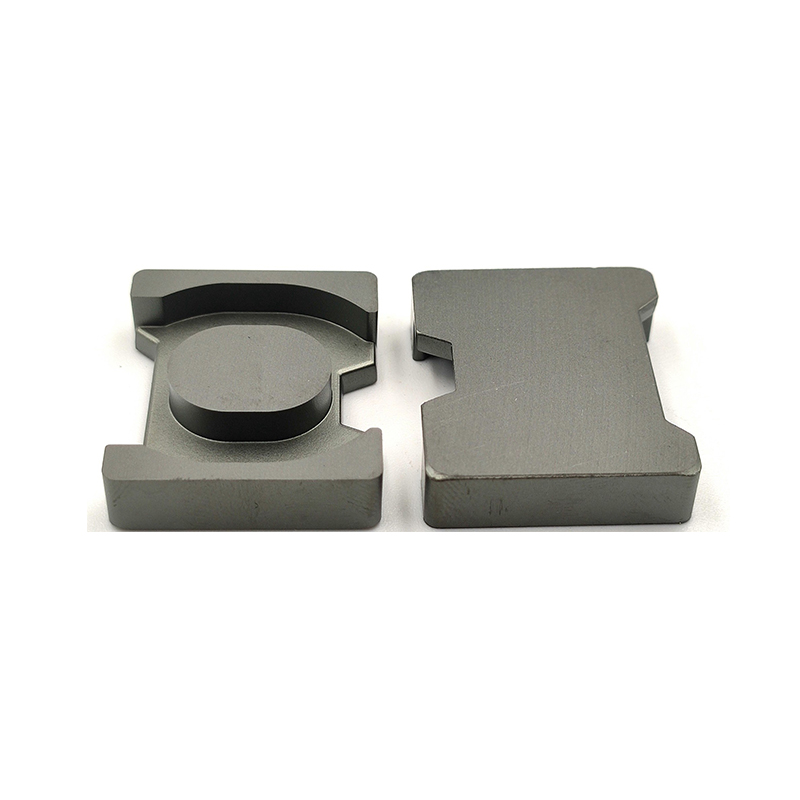
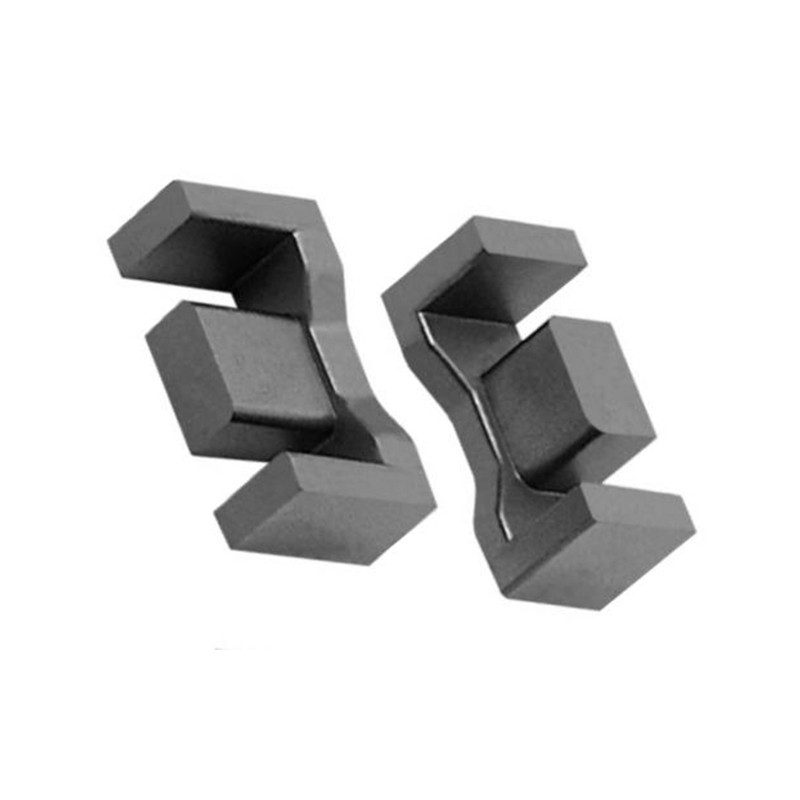
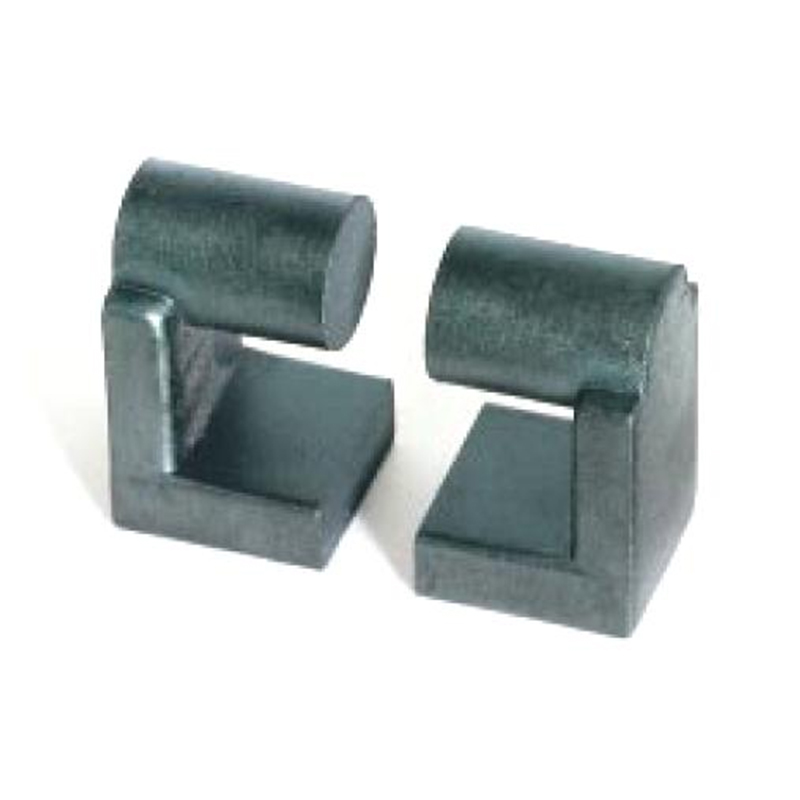
Inductor geometry is not a cosmetic detail — it fundamentally shapes how magnetic flux is generated, contained, and converted into usable energy. The H-shaped inductor, named for its cross-sectional profile resembling the letter "H," offers a structural advantage that conventional toroidal or rod-core designs simply cannot replicate at scale: a closed magnetic path with balanced limb symmetry and a dedicated central column for winding.
This configuration allows the magnetic core to guide flux through a low-reluctance loop, minimizing flux leakage into surrounding components. In densely packed PCB layouts — where parasitic coupling between components can degrade signal integrity — this containment capability translates directly into measurable performance gains. Engineers working on power conversion, noise filtering, and RF suppression increasingly specify H-core inductors precisely because the geometry solves problems that materials alone cannot.
The winding sits on the central column, flanked by two outer limbs that close the magnetic circuit. This arrangement creates a mechanically robust structure that also simplifies automated winding, making H-shaped inductor well-suited to high-volume manufacturing environments where consistency is non-negotiable.
Efficiency Gains: Lower Core Loss at Operating Frequency
The efficiency of an inductor is ultimately a function of how much energy it loses during each switching cycle. Core loss — the combined result of hysteresis loss and eddy current loss — is where H-shaped inductors show their clearest advantage over open-geometry alternatives.
Hysteresis loss scales with the area of the B-H loop traced during each magnetization cycle. Soft magnetic ferrite materials, particularly Mn-Zn power ferrites, exhibit narrow B-H loops that keep hysteresis loss low even at elevated flux densities. When this material property is combined with the H-core's symmetrical flux distribution — which prevents localized saturation in any single limb — the result is a core that operates further from saturation at a given excitation level, reducing both hysteresis and eddy current contributions simultaneously.
Eddy current loss, which increases with the square of frequency, is managed through the inherently high resistivity of ferrite materials. Mn-Zn ferrite cores typically exhibit resistivity values in the range of 1–10 Ω·m, orders of magnitude higher than silicon steel, which makes them exceptionally well-suited for switching frequencies above 100 kHz. H-shaped inductors built on high-grade Mn-Zn ferrite substrates can sustain efficiencies exceeding 97% in DC-DC converter stages operating in the 200–500 kHz range — a benchmark increasingly demanded by automotive and industrial power supply designers.
Winding resistance (DCR) is the other major contributor to resistive loss. The H-core geometry permits shorter mean-turn lengths compared to toroidal designs of equivalent inductance, which directly reduces DCR without requiring thicker wire. For high-current applications where I²R loss dominates the thermal budget, this is a meaningful engineering lever.
Stability Under Load: Saturation Resistance and Temperature Performance
Stability in an inductor context means two things: inductance that holds its value under DC bias, and magnetic properties that do not drift excessively with temperature. H-shaped inductors address both challenges through geometry and material selection working in concert.
DC bias causes the core to move toward saturation, at which point inductance collapses and the circuit loses its filtering or energy-storage function. The H-core's elongated flux path and larger effective cross-sectional area give it a higher saturation flux density threshold compared to smaller form factors. High-performance Mn-Zn power ferrites can maintain saturation flux densities (Bsat) of 450–530 mT at room temperature, and carefully selected grades retain usable Bsat values above 350 mT at 100 °C — a critical specification for automotive under-hood environments where ambient temperatures routinely reach 85–105 °C.
Temperature coefficient of permeability (TCμ) is the figure of merit for thermal stability. Ferrite grades optimized for power applications are formulated to minimize TCμ across the operating window, typically targeting inductance variation of less than ±10% across a −40 °C to +125 °C range. The H-shaped core, by distributing the magnetic path evenly across two symmetric limbs, avoids the hot-spot formation that can occur in asymmetric geometries — preserving permeability uniformity even under sustained high-current operation.
| Parameter | Typical Mn-Zn Power Ferrite (H-Core) | Silicon Steel (Laminated) |
|---|---|---|
| Usable Frequency Range | 10 kHz – 3 MHz | < 1 kHz |
| Core Resistivity | 1 – 10 Ω·m | ~1.4 × 10⁻⁷ Ω·m |
| Saturation Flux Density (25 °C) | 450 – 530 mT | 1,600 – 2,000 mT |
| Inductance Variation (−40 to +125 °C) | ±10% (optimized grades) | ±15 – 25% |
EMI Suppression and Signal Integrity Benefits
Beyond power conversion, H-shaped inductors play a significant role in electromagnetic interference (EMI) suppression — an area where their closed-flux geometry delivers advantages that open-core designs inherently cannot match. Regulatory frameworks such as CISPR 32 and IEC 61000-3-2 impose strict conducted and radiated emission limits on power electronics, and H-core inductors are routinely deployed in differential-mode and common-mode filter stages to meet these requirements.
The closed magnetic path confines nearly all flux within the core, dramatically reducing the stray field that would otherwise radiate from the component and couple into adjacent traces or sensitive analog circuits. This shielding effect is quantified by the inductor's self-shielding factor, which for well-designed H-core geometries can suppress radiated emissions by 20–30 dB compared to unshielded rod-core inductors of similar inductance value.
High-conductivity Mn-Zn ferrites — a grade class distinct from power ferrites and optimized for permeability stability at low field strengths — are particularly valued in broadband EMI filter inductors. Their initial permeability (μᵢ) values, often ranging from 5,000 to 15,000, enable effective attenuation across a wide frequency span from a single compact component. Tongxiang Yaorun Electronics supplies both Mn-Zn power ferrite and high-conductivity ferrite cores, giving filter designers access to the full material spectrum within a single qualified supply chain.
In motor drive inverters, where switching transients generate broadband noise from a few kilohertz up into the megahertz range, H-core inductors installed at the inverter output provide the attenuation bandwidth needed to protect downstream cabling and connected equipment from common-mode interference — a growing concern as electric vehicle powertrains and industrial servo drives push switching frequencies higher.
Selecting the Right Core Material for H-Shaped Inductors
Material selection is inseparable from geometry when specifying an H-shaped inductor. The core material determines loss characteristics, saturation behavior, permeability, and thermal performance — and each application imposes a different weighting on these factors.
For switched-mode power supply (SMPS) output filter inductors and PFC boost inductors, Mn-Zn power ferrite grades with low core loss density (Pv) at the target switching frequency are the primary specification target. Loss density values below 100 kW/m³ at 100 kHz and 200 mT excitation are achievable with optimized ferrite formulations, enabling compact thermal designs without excessive heat sink requirements.
For signal-level filtering and common-mode choke applications, high-permeability Mn-Zn high-conductivity ferrite is the appropriate material class. These grades prioritize impedance at low field strengths over saturation current handling, making them unsuitable for high-current power stages but ideal for the sub-ampere current levels typical of data line filtering and power entry module chokes.
Practical selection criteria for H-core inductors should include:
- Initial permeability (μᵢ) — determines inductance per turn and the low-field impedance profile
- Core loss density (Pv) at the operating frequency and flux density — the dominant efficiency driver in power applications
- Saturation flux density (Bsat) at the maximum operating temperature — defines the usable DC bias range
- Curie temperature (Tc) — the upper thermal limit; for most Mn-Zn power ferrites, Tc falls between 210 °C and 250 °C
- Dimensional tolerances — gap consistency directly affects inductance tolerance in gapped H-core designs
Working with a manufacturer that controls its own ferrite powder formulation — from raw material blending through sintering — provides the tightest lot-to-lot consistency on these parameters. For engineers qualifying components into high-reliability applications such as automotive or industrial automation, supply chain transparency at the material level is as important as the datasheet specification itself.
Previous Post
Soft Magnetic Ferrites Powering Green Tech: Transformers to EVs
Next Post
Manganese-Zinc Ferrite in Power Electronics: Reducing Losses and Improving Efficiency