
 English
 한국어
한국어 中文简体
中文简体Home / News / Industry News / Combining Ferrite Cores for Effective EMI Suppression in Cables and Power Lines
Combining Ferrite Cores for Effective EMI Suppression in Cables and Power Lines
Content
- 1 Understanding the Purpose of Combining Ferrite Cores
- 2 How Ferrite Cores Reduce Electromagnetic Interference
- 3 Practical Methods for Combining Ferrite Cores
- 4 Choosing the Right Ferrite Core Material
- 5 Common Applications Where Combined Ferrite Cores Excel
- 6 Best Practices for Maximum EMI Suppression
- 7 Advantages and Limitations of Using Multiple Ferrite Cores
- 8 Conclusion: Enhancing Signal Quality Through Combined Ferrite Core Solutions
Understanding the Purpose of Combining Ferrite Cores
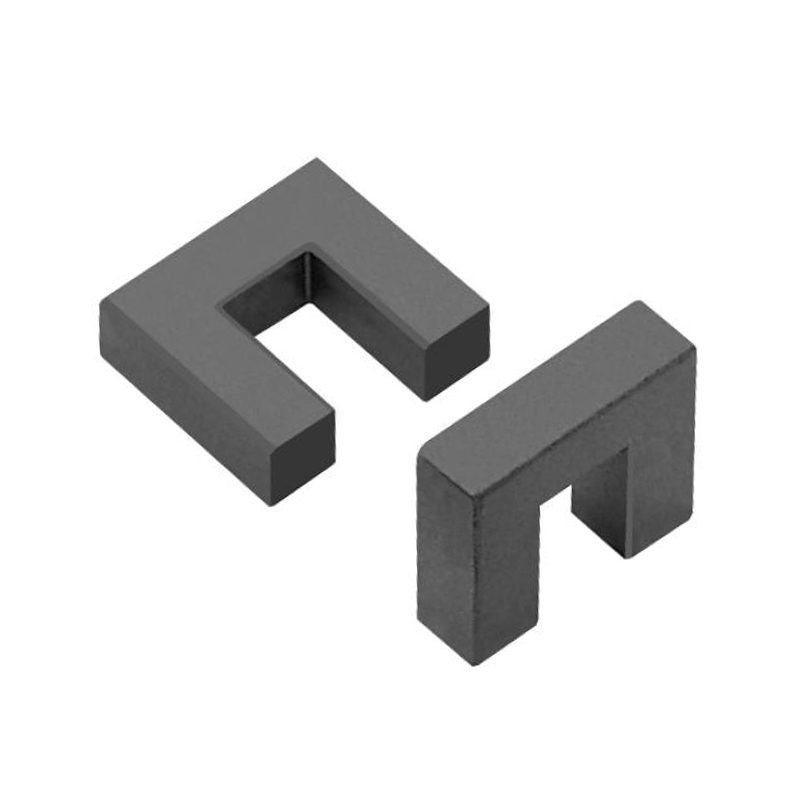
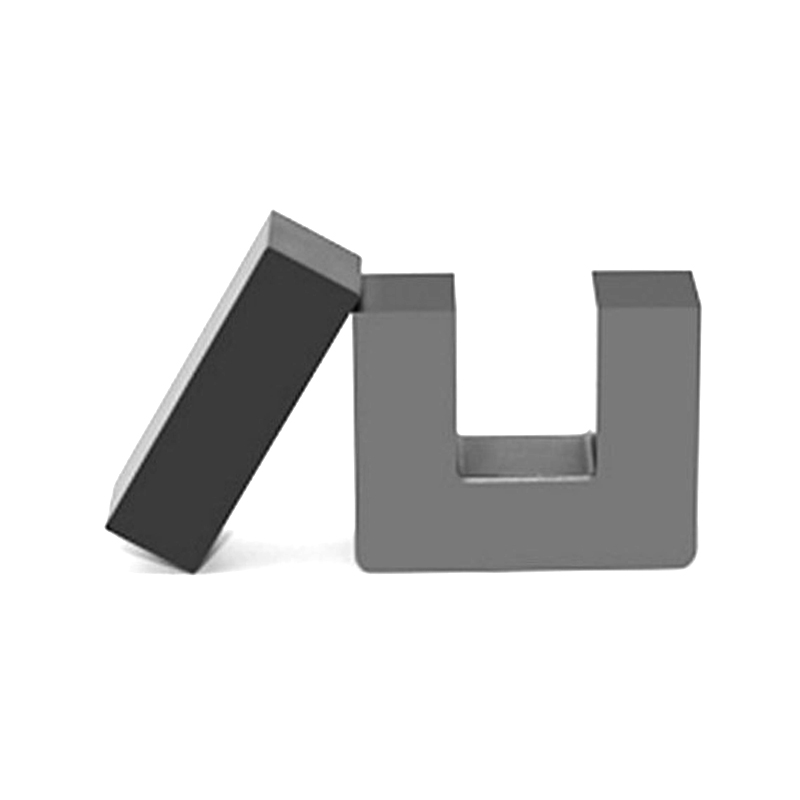
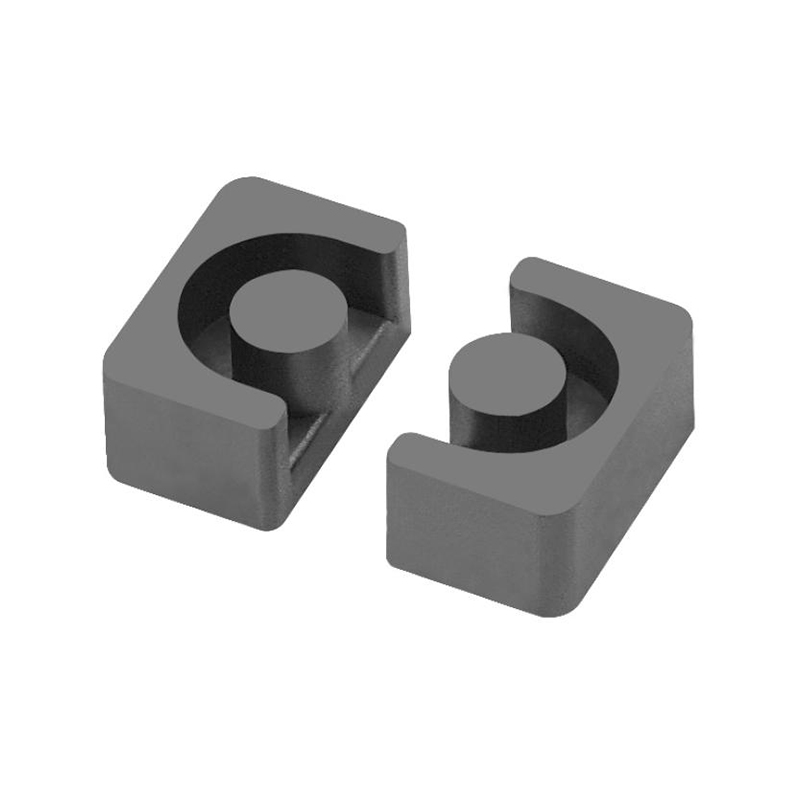
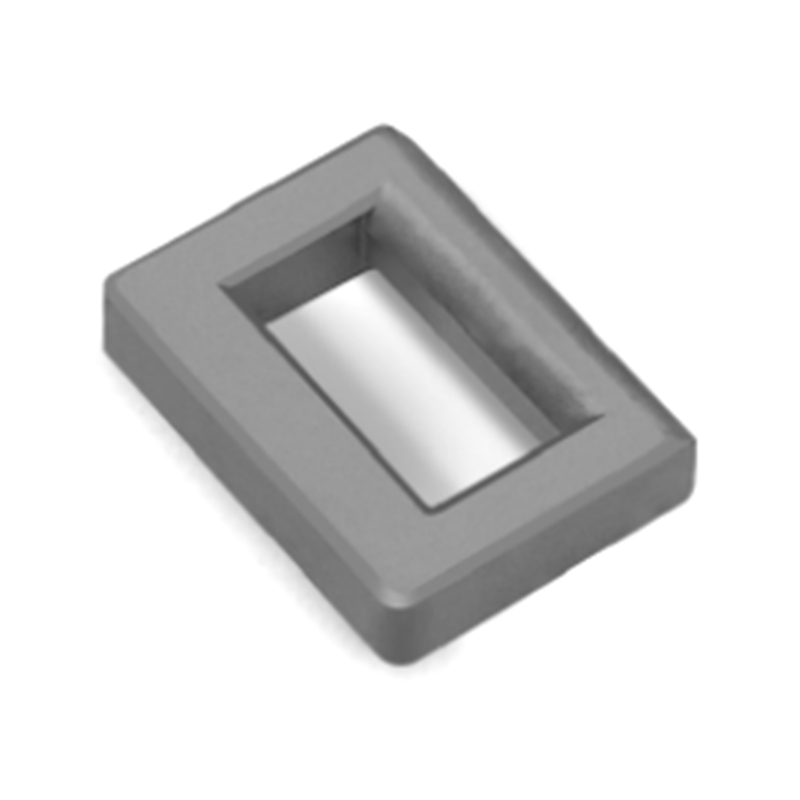
Ferrite core is widely used in electronics to suppress electromagnetic interference (EMI) and reduce unwanted high-frequency noise on cables and power lines. When a single ferrite core is not sufficient to meet noise reduction requirements, combining ferrite cores becomes a practical and highly effective solution. This approach increases impedance, broadens noise suppression bandwidth, and improves overall signal integrity in sensitive electronic systems.
Combining ferrite cores is common in USB cables, power adapters, audio systems, industrial control wiring, and communication equipment where electromagnetic compatibility (EMC) standards must be met. By stacking or positioning multiple ferrite cores strategically, engineers can target specific frequency ranges and achieve superior EMI suppression performance.
How Ferrite Cores Reduce Electromagnetic Interference
Ferrite cores work by increasing the impedance of a conductor at high frequencies. When noise currents pass through the ferrite material, magnetic losses convert unwanted energy into heat, effectively damping interference. This process does not significantly impact low-frequency or DC signals, making ferrite cores ideal for noise filtering in power and data transmission lines.
When combining ferrite cores, this impedance effect multiplies. Each additional core contributes to higher attenuation of high-frequency noise, particularly in the MHz range where EMI problems commonly occur. The result is improved signal clarity and compliance with regulatory standards such as FCC and CE requirements.
Key Noise Types Addressed by Ferrite Cores
- Common-mode noise traveling along cable shields or grounds
- Differential-mode interference affecting signal pairs
- High-frequency switching noise from power supplies
- Radiated emissions from fast digital circuits
Practical Methods for Combining Ferrite Cores
There are several effective ways to combine ferrite cores depending on cable size, application requirements, and space constraints. The most common techniques involve stacking clamp-on ferrite cores, using multiple toroidal cores in series, or wrapping cables through the same core multiple times.
Stacking Clamp-On Ferrite Cores
Clamp-on ferrite cores are popular because they are easy to install without disconnecting cables. Stacking two or more of these cores directly next to each other increases noise suppression linearly. This method is especially useful for USB cables, HDMI cords, and power cables in consumer electronics.
Using Multiple Toroidal Cores in Series
Toroidal ferrite cores provide excellent magnetic coupling and are commonly used in custom EMI filter designs. Placing multiple toroids along the cable length increases impedance over a wider frequency spectrum, making them suitable for industrial and high-power applications.
Multiple Cable Turns Through One Core
Passing the cable through the same ferrite core multiple times significantly boosts impedance. Each additional loop increases noise attenuation, often outperforming stacked cores in tight spaces. However, cable flexibility and bending radius should be considered to avoid mechanical stress.
Choosing the Right Ferrite Core Material
Ferrite materials are optimized for different frequency ranges. Selecting the proper core material is essential when combining ferrite cores to achieve maximum EMI suppression efficiency. The most common materials include manganese-zinc (MnZn) and nickel-zinc (NiZn) ferrites.
| Material Type | Best Frequency Range | Typical Applications |
| MnZn Ferrite | 1 kHz – 5 MHz | Power supplies, low-frequency noise |
| NiZn Ferrite | 5 MHz – 500 MHz | Data cables, high-speed signals |
When combining ferrite cores, matching material types ensures predictable performance. Mixing different ferrites can broaden suppression ranges but should be tested carefully for optimal results.
Common Applications Where Combined Ferrite Cores Excel
Combining ferrite cores is particularly valuable in environments with strong electromagnetic interference or strict compliance requirements. Many industries rely on this technique to maintain system reliability and reduce signal corruption.
- USB, HDMI, and Ethernet cables in consumer electronics
- Switch-mode power supply outputs
- Industrial automation control wiring
- Medical equipment signal lines
- Automotive electronic modules
Best Practices for Maximum EMI Suppression
To get the most benefit from combining ferrite cores, placement and cable routing are just as important as the number of cores used. Poor positioning can limit noise reduction effectiveness.
Installation Tips
- Place ferrite cores close to noise sources or device connectors
- Ensure tight contact between cable and core to improve magnetic coupling
- Avoid sharp cable bends that may stress insulation
- Test EMI levels before and after installation for validation
Advantages and Limitations of Using Multiple Ferrite Cores
Combining ferrite cores offers numerous benefits, including improved noise filtering, flexible installation, and low cost. However, excessive use may increase cable bulk, add minor signal loss at very high frequencies, and complicate cable management.
For most applications, a balance between EMI suppression performance and physical practicality yields the best results. Engineers often start with one core and gradually add more until noise levels fall within acceptable limits.
Conclusion: Enhancing Signal Quality Through Combined Ferrite Core Solutions
Combining ferrite cores is a proven, practical technique for improving EMI suppression in modern electronic systems. Whether stacking clamp-on cores, using multiple toroids, or looping cables through a single core, the approach significantly enhances noise filtering performance across a wide frequency range.
By selecting appropriate ferrite materials, positioning cores effectively, and following best installation practices, engineers and technicians can achieve cleaner signals, improved compliance, and longer equipment lifespan. As electronic devices continue to increase in speed and complexity, combined ferrite core solutions remain an essential tool in electromagnetic interference control.
Previous Post
What is a Ferrite Core? Materials, Types & Applications Explained
Next Post
Manganese-Zinc Ferrite: Applications, Properties, and Manufacturing Insights