
 English
 한국어
한국어 中文简体
中文简体Home / News / Industry News / Manganese-Zinc Ferrite: Applications, Properties, and Manufacturing Insights
Manganese-Zinc Ferrite: Applications, Properties, and Manufacturing Insights
Content
Introduction to Manganese-Zinc Ferrite
Manganese-zinc ferrite (Mn-Zn ferrite) is a soft magnetic material widely used in electronic and electrical applications. It belongs to the spinel ferrite family, characterized by the general formula MnxZn1-xFe2O4, where the ratio of manganese to zinc can be adjusted to modify its magnetic and electrical properties. Mn-Zn ferrites are distinguished by their high permeability, low power loss, and excellent performance at frequencies ranging from a few kilohertz to several megahertz. These features make them ideal for applications in transformers, inductors, and electromagnetic interference (EMI) suppression components.
Key Properties of Mn-Zn Ferrite
The performance of manganese-zinc ferrite is influenced by its chemical composition, sintering process, and microstructure. Key properties include:
- High magnetic permeability, typically ranging from 1,000 to 15,000, which enables efficient magnetic flux conduction in compact cores.
- Low core loss at medium to high frequencies, reducing heat generation and energy waste in power systems.
- Moderate saturation magnetization (Ms), which allows for reliable operation under high magnetic fields without rapid saturation.
- Temperature stability, ensuring consistent magnetic performance across a wide range of operating environments.
- Electrical resistivity in the range of 1–10 Ω·cm, minimizing eddy current losses in alternating current applications.
Manufacturing Process of Mn-Zn Ferrite
Mn-Zn ferrite production requires precise control of raw materials, temperature, and sintering conditions. The typical manufacturing process involves the following steps:
Raw Material Preparation
High-purity oxides of manganese (MnO), zinc (ZnO), and iron (Fe2O3) are accurately weighed and mixed. Homogenization is critical to ensure uniformity of the final ferrite composition, which directly affects magnetic properties.
Calcination and Sintering
The mixture undergoes calcination at 800–1,000°C to form a ferrite spinel structure. Subsequent sintering at 1,200–1,400°C promotes densification, grain growth, and the development of magnetic characteristics. The sintering environment, typically air or controlled oxygen, must be carefully managed to prevent non-stoichiometric defects.
Shaping and Finishing
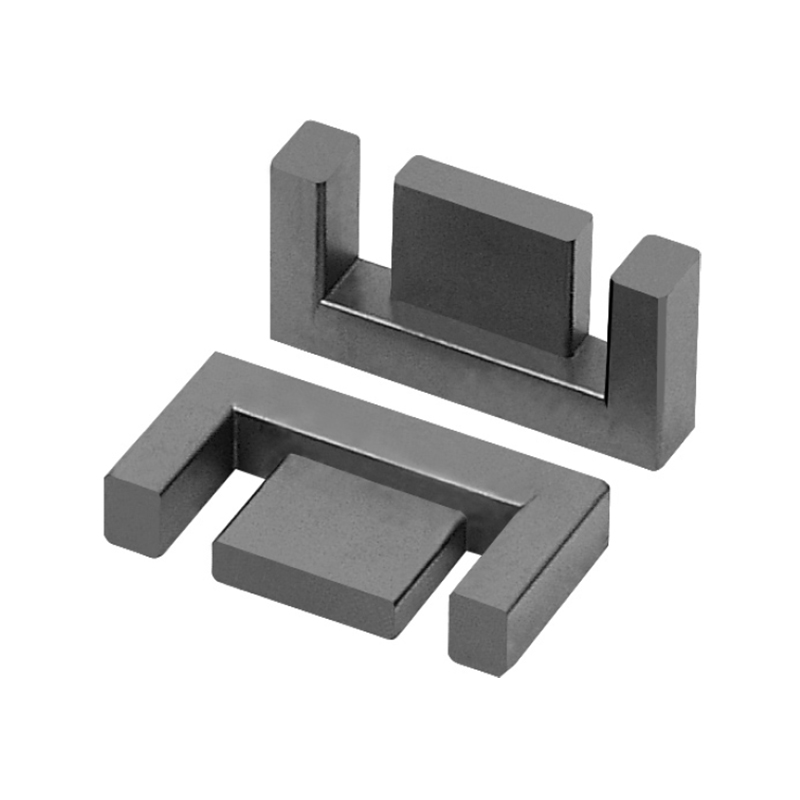
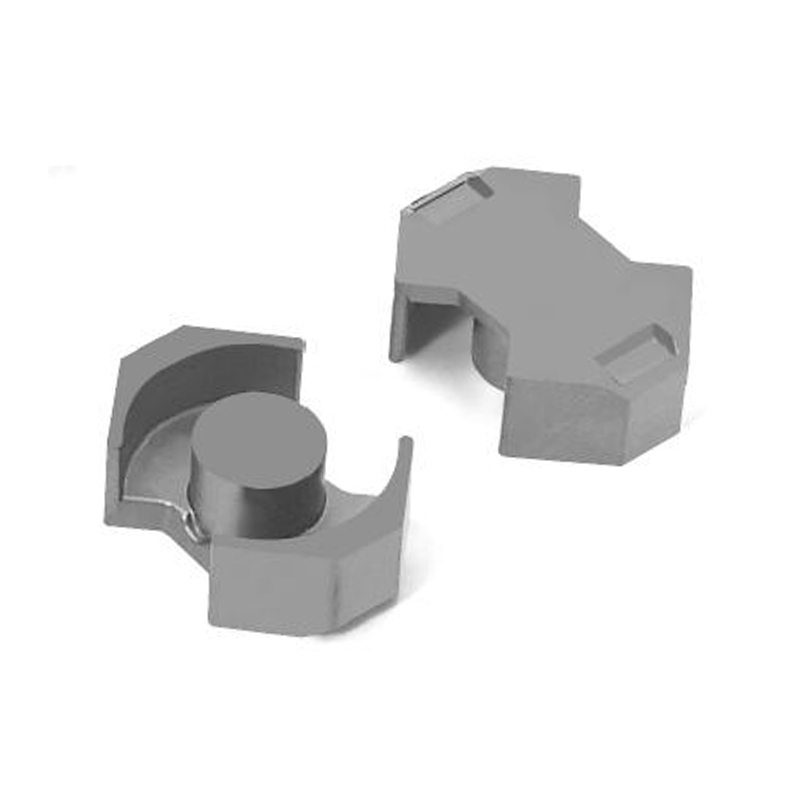
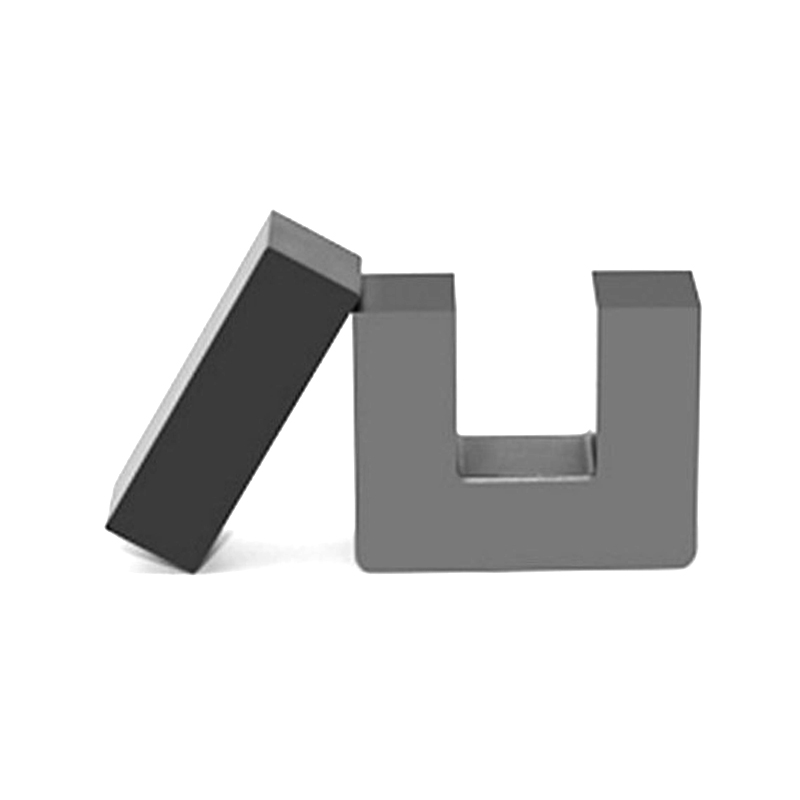
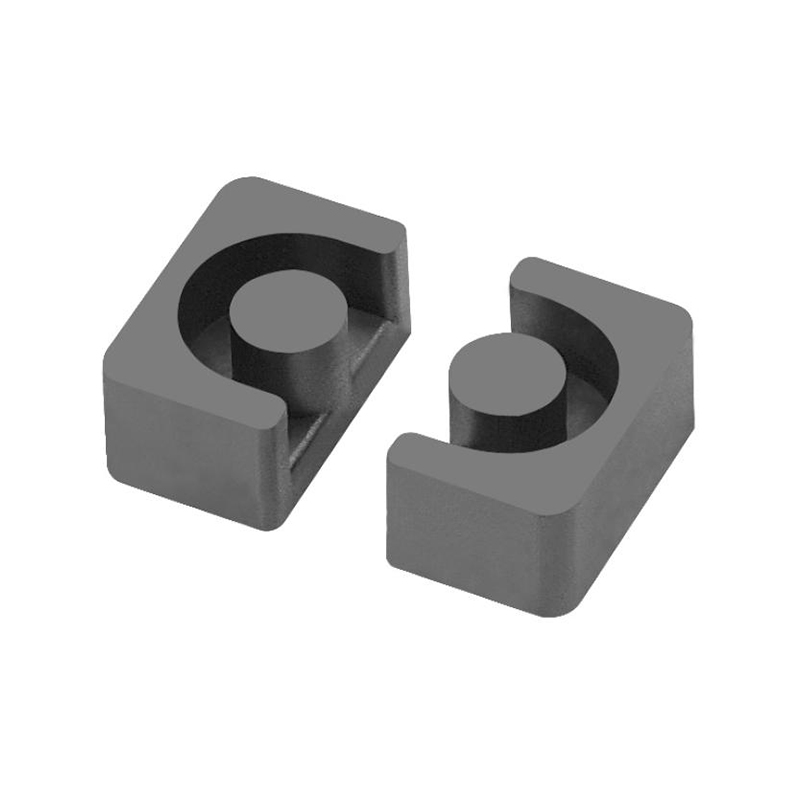
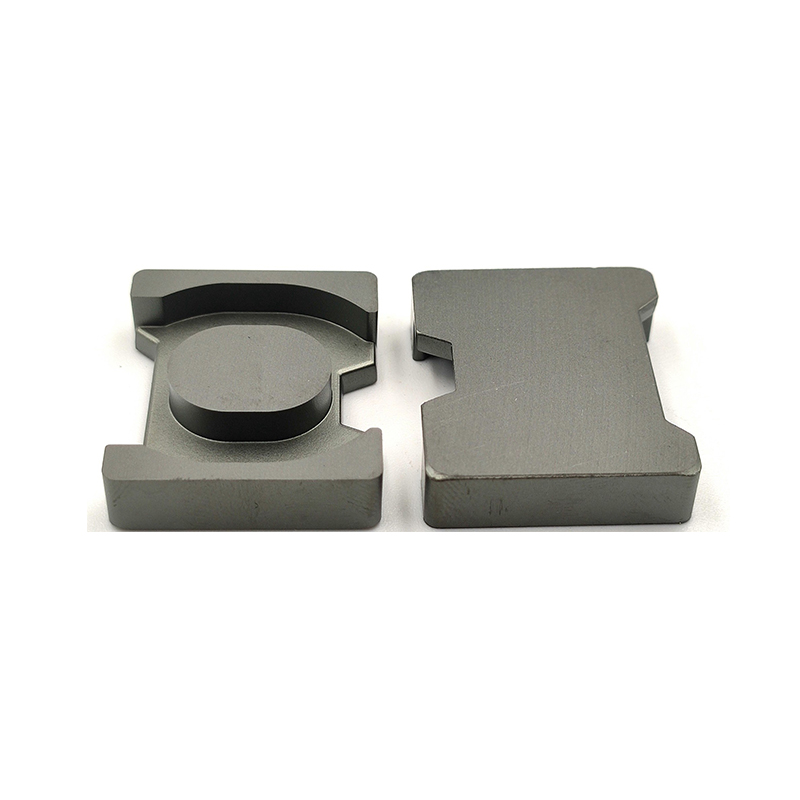
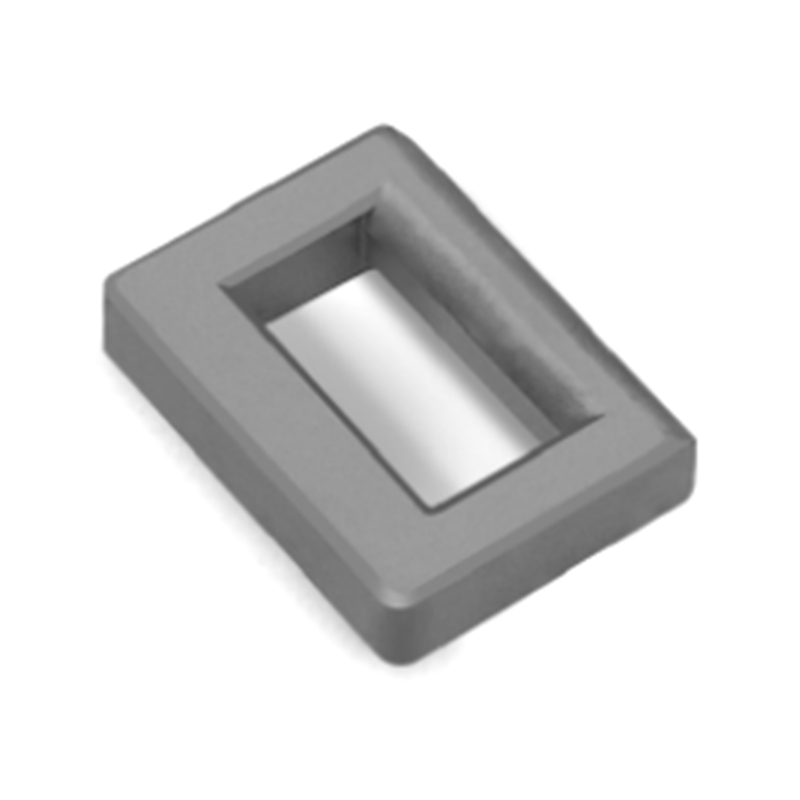
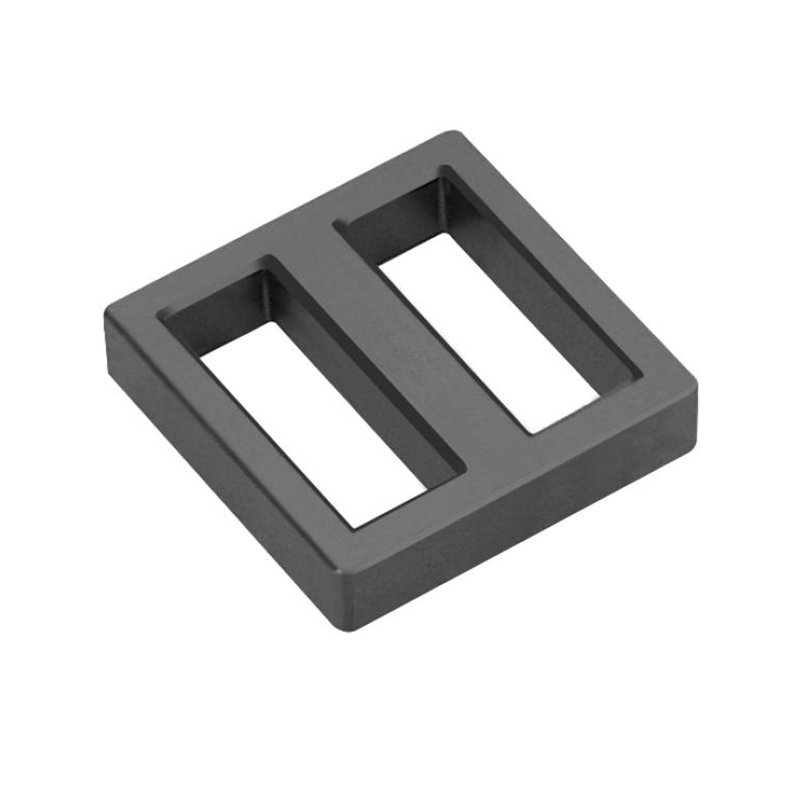
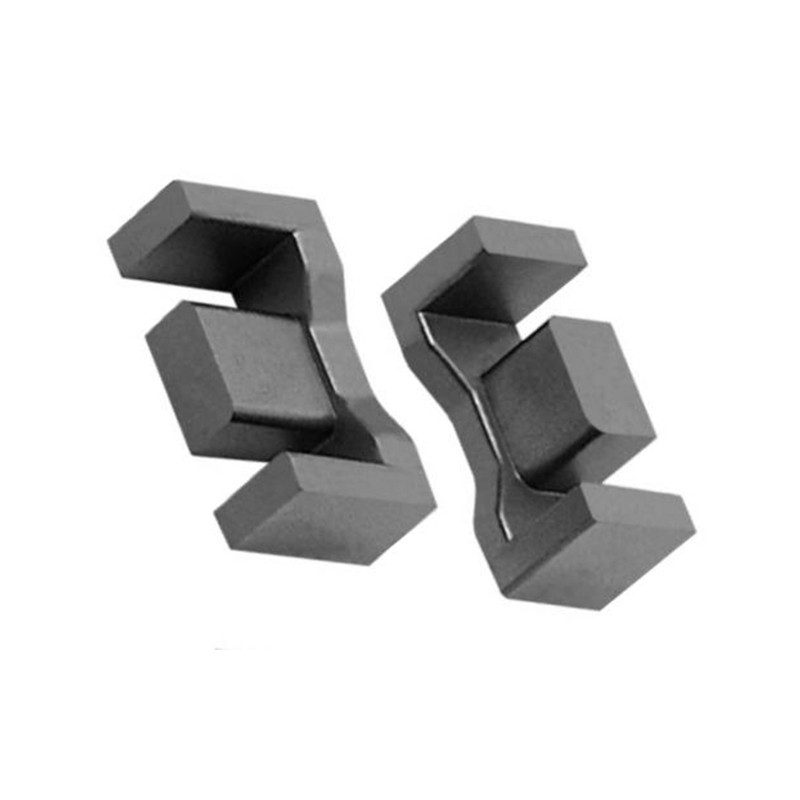
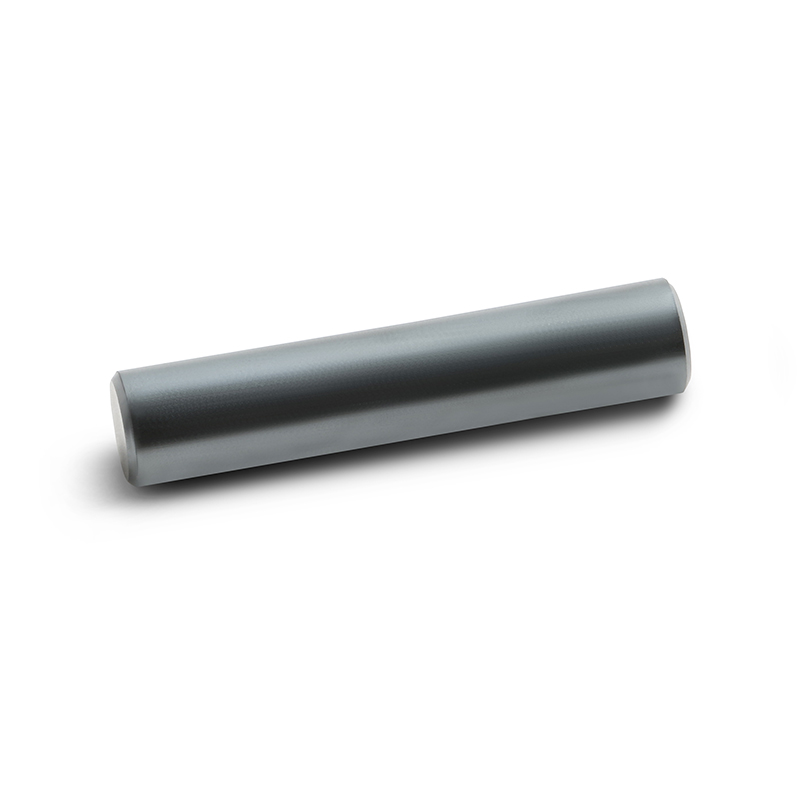
After sintering, the ferrite material is machined into cores, toroids, or beads using precision grinding or wire-cutting techniques. Surface finishing and insulation coatings may be applied to improve electrical resistivity and reduce inter-turn losses in inductors and transformers.
Applications of Manganese-Zinc Ferrite
Mn-Zn ferrites are widely applied in both commercial and industrial electronics due to their versatile magnetic properties. Key applications include:
Power Transformers and Inductors
Their high permeability and low core loss make Mn-Zn ferrites ideal for power transformers, especially in switch-mode power supplies (SMPS) and energy-efficient power conversion systems. They enable compact designs with minimal heat generation.
High-Frequency Devices
Manganese-zinc ferrites perform efficiently at medium to high frequencies (10 kHz to 5 MHz). This property is critical for inductors, chokes, and EMI suppression components used in telecommunications, consumer electronics, and industrial automation equipment.
Electromagnetic Interference (EMI) Suppression
Mn-Zn ferrite beads and cores are commonly used to suppress unwanted high-frequency noise in cables and circuits. Their combination of high resistivity and magnetic loss at high frequencies makes them highly effective in improving signal integrity.
Magnetic Sensors and Actuators
In specialized applications such as magnetic sensors and actuators, Mn-Zn ferrites are preferred for their stable permeability and low loss, which contribute to precise magnetic flux measurement and control.
Performance Optimization Strategies
To maximize the performance of Mn-Zn ferrite components, manufacturers and engineers adopt several optimization strategies:
- Adjusting the Mn/Zn ratio to achieve a balance between permeability, core loss, and saturation magnetization for specific frequency ranges.
- Controlling grain size and density through precise sintering to minimize eddy current losses and enhance magnetic efficiency.
- Applying surface coatings or epoxy insulation to improve mechanical strength, thermal stability, and resistivity.
- Customizing core shapes and winding techniques to reduce leakage flux and optimize inductance in compact designs.
- Incorporating ferrite cores with multiple material grades in multi-layer transformers to extend operational frequency range and improve efficiency.
Comparison with Other Ferrite Materials
Mn-Zn ferrites are often compared to nickel-zinc (Ni-Zn) ferrites, each offering distinct advantages. The main differences include:
| Property | Mn-Zn Ferrite | Ni-Zn Ferrite |
| Frequency Range | Low to Medium (up to 5 MHz) | Medium to High (up to 100 MHz) |
| Permeability | High | Moderate |
| Core Loss | Low at Medium Frequencies | Low at High Frequencies |
| Applications | Power transformers, inductors, EMI suppression | RF circuits, high-frequency transformers, antennas |
Future Trends and Innovations
Ongoing research in manganese-zinc ferrite focuses on enhancing magnetic performance, thermal stability, and miniaturization. Emerging trends include:
- Development of nano-crystalline Mn-Zn ferrites to reduce core losses at higher frequencies.
- Integration into multi-layer and flexible electronics to support compact, high-efficiency power modules.
- Improved sintering and coating techniques to enhance thermal and mechanical stability in harsh operating conditions.
- Application in electric vehicle (EV) powertrains and renewable energy inverters requiring high-efficiency, medium-frequency magnetic components.
Conclusion
Manganese-zinc ferrite remains a cornerstone material in modern electronics and power systems. Its combination of high permeability, low core loss, and frequency versatility makes it indispensable in transformers, inductors, EMI suppression, and high-frequency devices. Advances in material engineering and processing techniques continue to expand its applicability, making Mn-Zn ferrite a reliable choice for both current and next-generation electronic technologies.
Previous Post
Combining Ferrite Cores for Effective EMI Suppression in Cables and Power Lines
Next Post
Optimizing MnZn Ferrite Core Performance in Power Electronics