
 English
 한국어
한국어 中文简体
中文简体What is a Ferrite Core? Materials, Types & Applications Explained
Content
- 1 Material Composition and Magnetic Properties
- 2 Core Shapes and Geometric Configurations
- 3 Electromagnetic Interference Suppression
- 4 Power Conversion and Energy Storage Applications
- 5 Signal Conditioning and Filter Applications
- 6 Selection Criteria for Practical Applications
- 7 Emerging Technologies and Future Trends
A ferrite core is a magnetic component made from ferrite ceramic compounds, primarily iron oxide (Fe₂O₃) mixed with metallic elements like manganese, zinc, or nickel. These cores serve as essential electromagnetic components in electronic circuits, concentrating magnetic fields to improve efficiency in transformers, inductors, and filters. Ferrite cores suppress electromagnetic interference (EMI), store magnetic energy, and enable power conversion across frequencies ranging from kilohertz to gigahertz.
The fundamental advantage of ferrite cores lies in their high magnetic permeability combined with low electrical conductivity, which minimizes eddy current losses at high frequencies. This makes them superior to traditional iron cores in modern electronics where switching speeds and compact designs are critical.
Material Composition and Magnetic Properties
Ferrite cores are manufactured through powder metallurgy, where finely ground ferrite powders are pressed into desired shapes and sintered at temperatures between 1000°C to 1400°C. The resulting ceramic material exhibits unique magnetic characteristics that vary based on composition.
Common Ferrite Formulations
| Ferrite Type | Chemical Formula | Initial Permeability (μi) | Frequency Range |
|---|---|---|---|
| Manganese-Zinc (MnZn) | MnₓZnᵧFe₂O₄ | 750-15,000 | 1 kHz - 5 MHz |
| Nickel-Zinc (NiZn) | NiₓZnᵧFe₂O₄ | 10-1,500 | 2 MHz - 500 MHz |
| Soft Ferrite | Various oxides | 100-10,000 | Power applications |
Manganese-zinc ferrites dominate low to medium frequency applications due to their exceptionally high permeability, making them ideal for power transformers operating below 2 MHz. Conversely, nickel-zinc ferrites maintain stable performance at higher frequencies where MnZn cores would experience excessive losses, making them preferred for RF applications and broadband transformers.
Core Shapes and Geometric Configurations
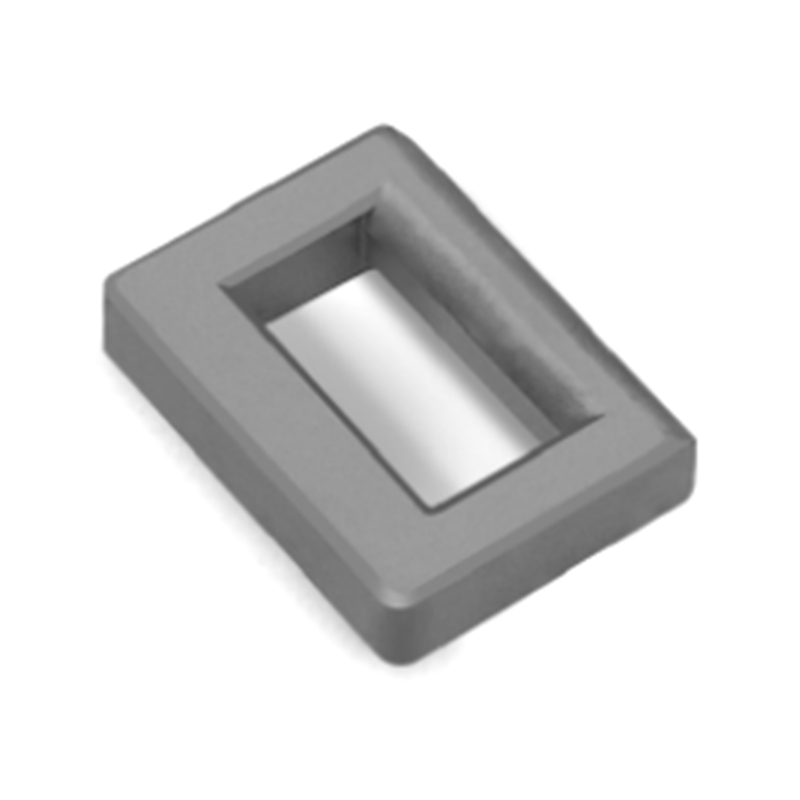
Ferrite cores are manufactured in standardized shapes, each optimized for specific circuit topologies and assembly methods. The geometry directly influences inductance, magnetic path length, and thermal management.
Standard Core Geometries
- Toroidal cores: Circular ring shapes offering self-shielding with minimal external magnetic fields, ideal for noise filters and current transformers with inductance values from 1 μH to 100 mH
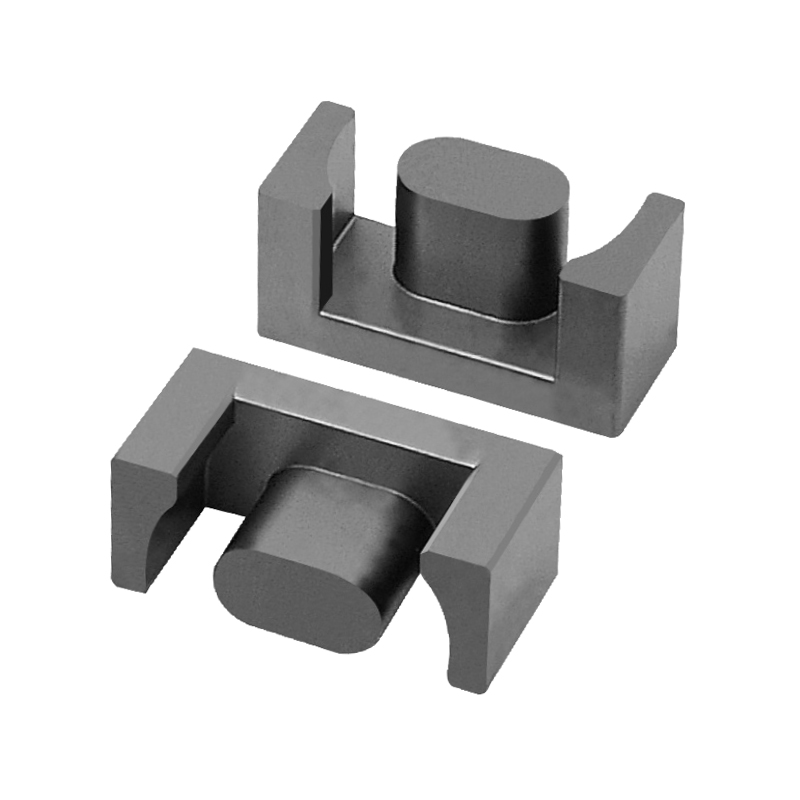
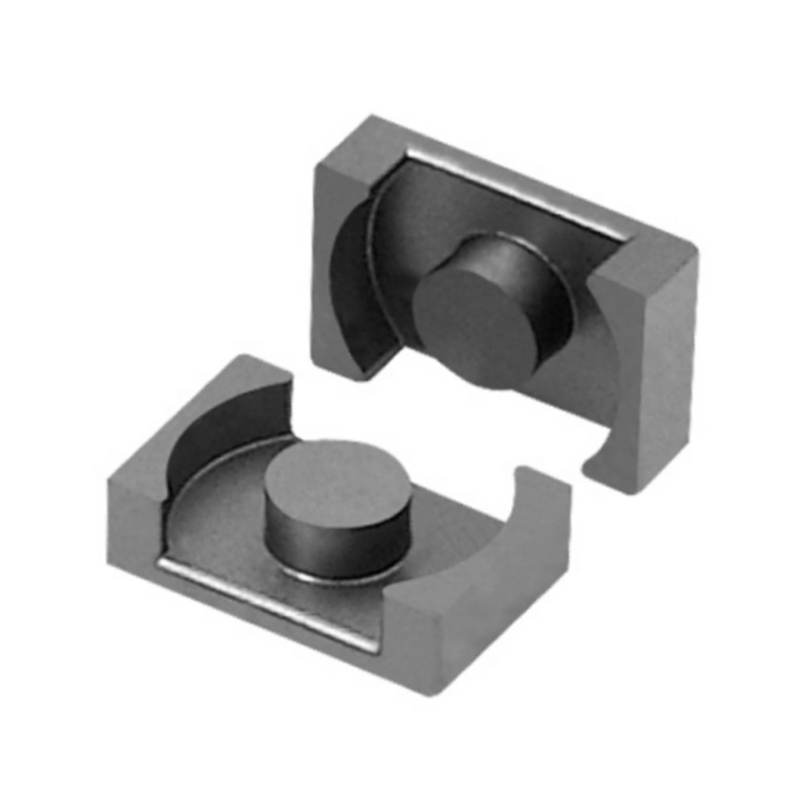
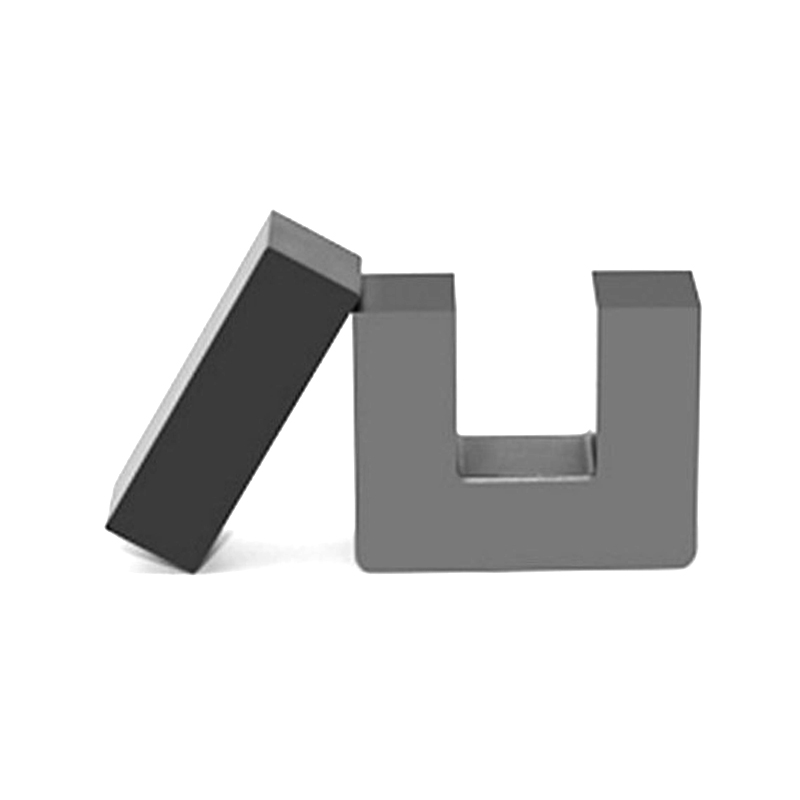
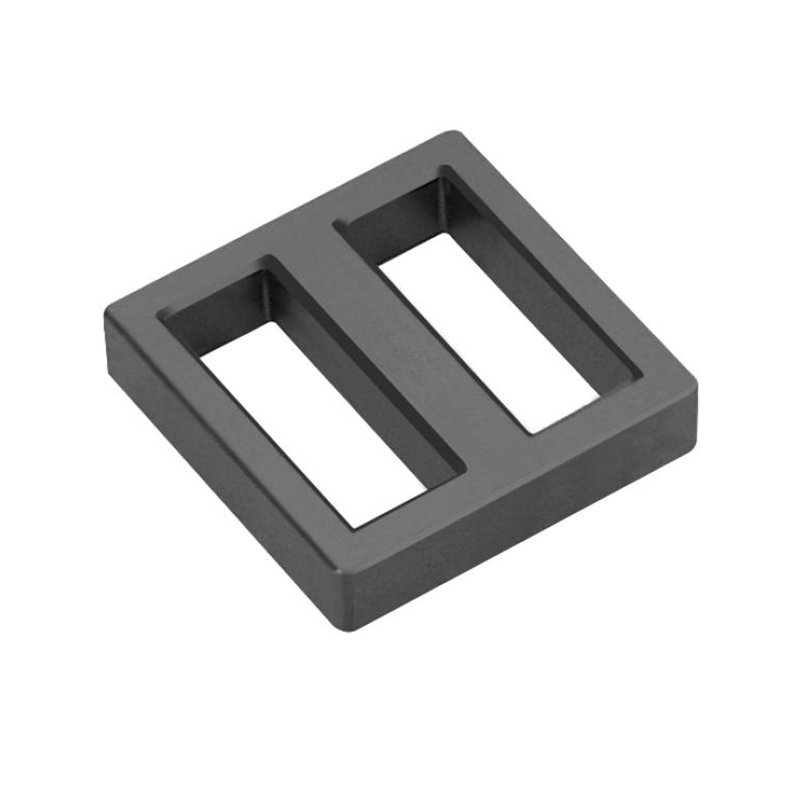
- E-cores and EE-cores: Split cores allowing easy winding assembly, commonly used in flyback transformers and power inductors with power handling from 1W to several kilowatts
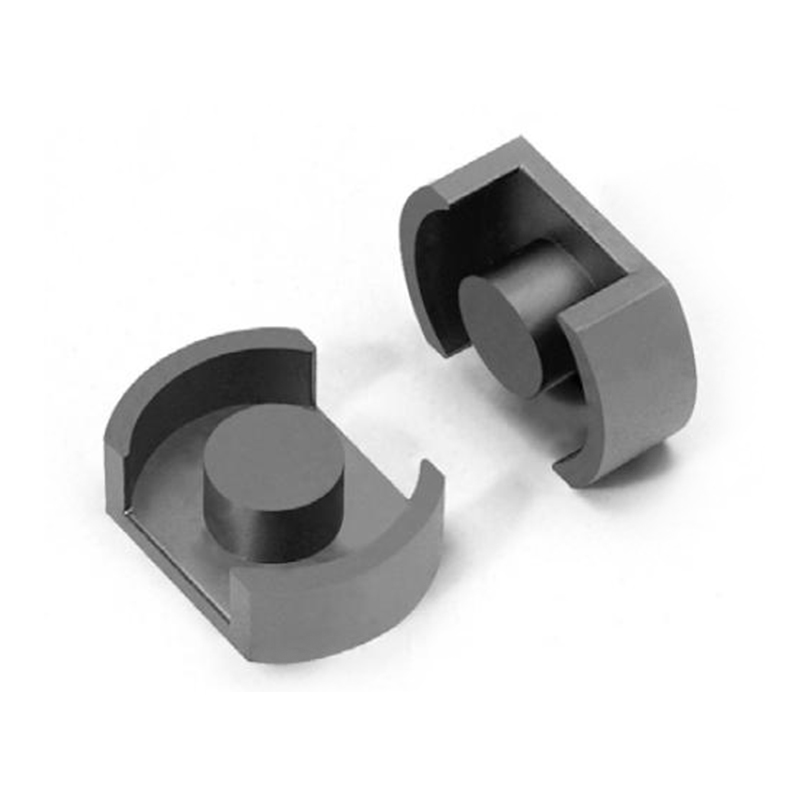
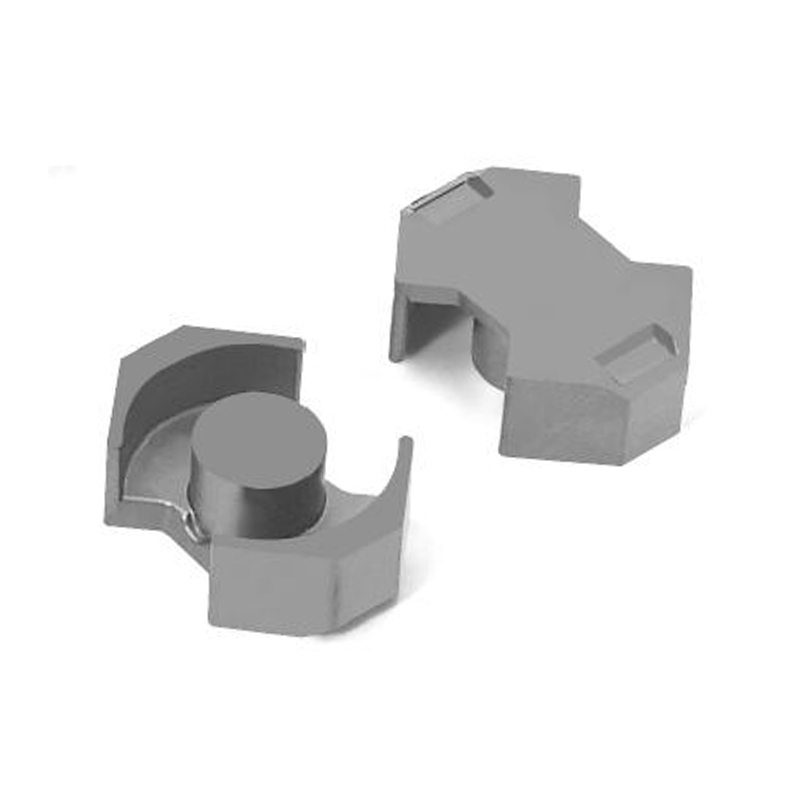
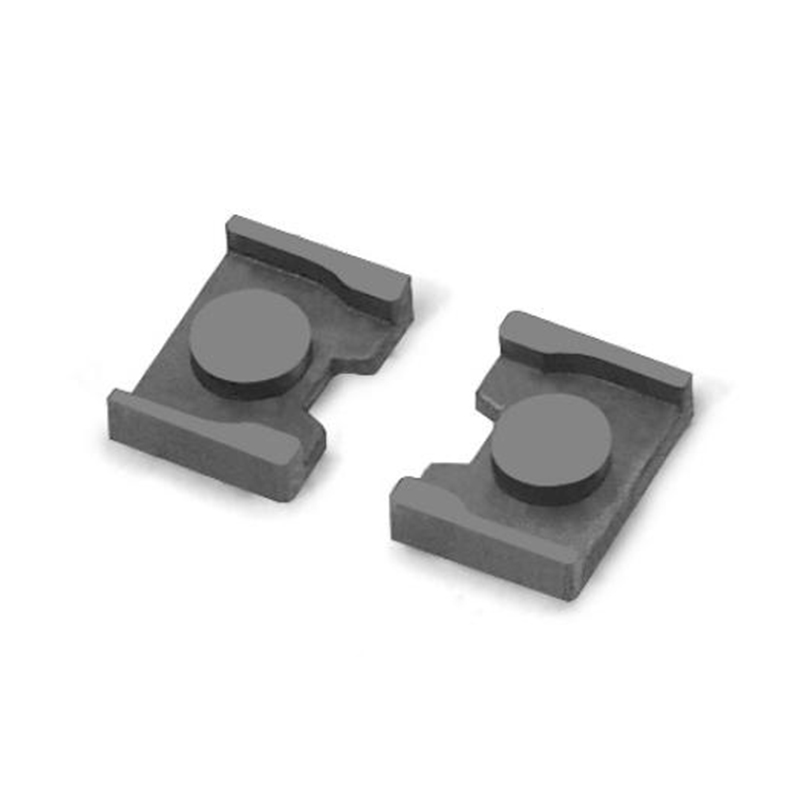
- Pot cores: Enclosed magnetic circuit minimizing EMI radiation, preferred in precision filters and resonant circuits requiring quality factors (Q) above 100
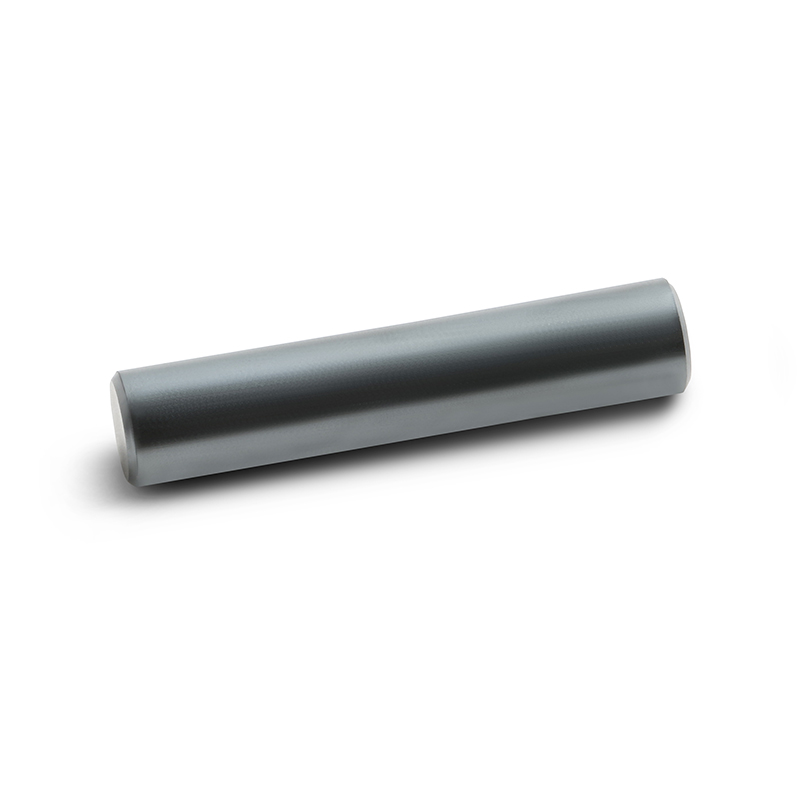
- Rod cores: Cylindrical shapes used in antenna applications and adjustable inductors, typically ranging from 3mm to 50mm in diameter
- Bead cores: Small cylindrical cores that wires pass through, providing impedance of 10Ω to 2000Ω for EMI suppression on signal and power lines
For example, a standard EE25 core (25mm width) typically handles 20-50 watts in a switching power supply operating at 100 kHz, while a toroid with outer diameter of 40mm might achieve 95% coupling efficiency in a broadband transformer design.
Electromagnetic Interference Suppression
One of the most widespread applications of ferrite cores is common-mode noise suppression in electronic systems. When high-frequency noise currents flow through cables, ferrite beads or clamp-on cores increase the impedance of these unwanted signals without affecting the desired differential-mode signals.
Noise Suppression Mechanism
Ferrite cores suppress EMI through two primary mechanisms:
- Resistive loss: High-frequency currents induce magnetic fields in the ferrite, which dissipate as heat due to hysteresis and residual losses
- Impedance increase: The core's inductance presents high impedance (typically 50Ω to 1000Ω at problematic frequencies), reflecting noise back to the source
A practical example: placing a ferrite bead rated for 600Ω impedance at 100 MHz on a USB cable can reduce radiated emissions by 15-25 dB, often making the difference between passing and failing EMC compliance testing. Modern laptop power adapters commonly use ferrite cores on both AC and DC cables, achieving noise reduction exceeding 20 dB across the 30 MHz to 300 MHz range.
Power Conversion and Energy Storage Applications
In switched-mode power supplies (SMPS), ferrite cores enable efficient energy transfer and voltage transformation. The core temporarily stores energy in its magnetic field during one switching phase and releases it during another, with efficiency typically exceeding 90% in well-designed converters.
Critical Design Parameters
Power transformer design with ferrite cores requires careful consideration of several factors:
- Saturation flux density: MnZn ferrites saturate around 400-500 mT, limiting maximum power density before core saturation causes efficiency collapse
- Core losses: At 100 kHz and 200 mT flux density, quality ferrite materials exhibit core losses of 100-300 mW/cm³, directly impacting converter efficiency and thermal design
- Temperature stability: Permeability changes with temperature; a typical MnZn ferrite might experience 20-30% permeability variation from 25°C to 100°C
- Air gap requirements: Adding air gaps (0.1-2mm) in cores reduces effective permeability but increases saturation current, essential for DC-biased inductors
For instance, a 65W laptop adapter using an EE28 ferrite core operating at 65 kHz switching frequency might achieve 92% efficiency while maintaining junction temperatures below 105°C with proper thermal management.
Signal Conditioning and Filter Applications
Beyond power applications, ferrite cores enable precise signal conditioning in communications and measurement systems. Their frequency-dependent impedance characteristics make them invaluable for creating selective filters and impedance matching networks.
Broadband Transformer Design
Ferrite toroid cores are extensively used in broadband transformers covering 1 MHz to 1 GHz, where conventional iron cores would fail due to excessive losses. A typical application is a 50Ω to 75Ω impedance transformer using a NiZn toroid with permeability of 125, achieving:
- Insertion loss less than 0.5 dB across the passband
- Return loss exceeding 20 dB for proper impedance matching
- Power handling of 1-10 watts CW depending on core size
Amateur radio operators frequently use ferrite cores in antenna baluns, where a 4:1 impedance transformation using stacked FT240-43 cores can handle 1500 watts peak power while maintaining balance better than 25 dB across the HF bands (1.8-30 MHz).
Selection Criteria for Practical Applications
Choosing the appropriate ferrite core requires matching material properties and geometry to circuit requirements. The selection process considers operating frequency, power level, temperature environment, and cost constraints.
Material Selection Guidelines
| Application Type | Recommended Material | Typical Frequency | Key Advantage |
|---|---|---|---|
| Power transformers | MnZn (3C90, N87) | 50 kHz - 500 kHz | Low core losses |
| EMI suppression | NiZn (43, 61 mix) | 10 MHz - 300 MHz | High impedance at RF |
| Broadband transformers | NiZn (mix 43, 52) | 1 MHz - 200 MHz | Wide bandwidth |
| PFC inductors | MnZn (3F3, N27) | 50 kHz - 150 kHz | High saturation flux |
Practical Design Considerations
When implementing ferrite cores in circuits, engineers must account for real-world limitations:
- Mechanical fragility: Ferrite ceramic is brittle; drop tests show failure rates increase significantly with cores thinner than 2mm, requiring protective housings in mobile applications
- Tolerance variations: Standard ferrite cores have inductance tolerances of ±20% to ±30%, necessitating circuit designs that accommodate this variability or requiring core selection/testing
- Aging effects: Long-term exposure to elevated temperatures (>100°C) can reduce permeability by 5-15% over 10,000 hours, important for lifetime calculations in industrial equipment
- Cost optimization: Standard cores offer significant cost advantages; a common EE25 core costs $0.50-$2.00 in volume, while custom geometries may cost 5-10× more
Emerging Technologies and Future Trends
Advanced ferrite materials continue evolving to meet demands of higher frequency operation, improved temperature stability, and greater power density. Recent developments include nanocrystalline ferrites achieving saturation flux densities exceeding 1.2T while maintaining low losses up to 1 MHz, enabling smaller, more efficient power converters.
The electric vehicle market drives innovation in high-current inductors, where ferrite cores with specially designed air gaps handle currents exceeding 200A continuous in compact packages. Wireless power transfer systems operating at 85 kHz and 6.78 MHz utilize optimized ferrite sheets that achieve transfer efficiencies of 90-95% while managing thermal dissipation in confined spaces.
In 5G communications infrastructure, ferrite circulators and isolators using single-crystal yttrium iron garnet (YIG) materials enable signal routing with insertion losses below 0.3 dB and isolation exceeding 20 dB across gigahertz frequencies, demonstrating the continuing relevance of ferrite technology in cutting-edge applications.
Previous Post
MnZn Ferrite Core: Properties, Applications & Selection Guide
Next Post
Combining Ferrite Cores for Effective EMI Suppression in Cables and Power Lines