
 English
 한국어
한국어 中文简体
中文简体Home / News / Industry News / Optimizing Electrical Applications with Mn-Zn High Conductivity Ferrite
Optimizing Electrical Applications with Mn-Zn High Conductivity Ferrite
Content
Introduction to Mn-Zn High Conductivity Ferrite
Mn-Zn high conductivity ferrite is a soft magnetic material widely used in electronic applications for its excellent magnetic properties and low core loss at high frequencies. These ferrites are primarily composed of manganese (Mn), zinc (Zn), and iron oxide (Fe₂O₃), which together create a material with high permeability and low electrical conductivity. This combination allows efficient energy transfer while minimizing eddy current losses, making it ideal for transformers, inductors, and electromagnetic interference (EMI) suppression components.
Key Properties and Advantages
Mn-Zn ferrites are known for their high initial permeability, low coercivity, and superior performance in high-frequency applications. The main advantages include:
- High magnetic permeability for efficient energy storage.
- Low core loss at frequencies up to several MHz.
- Good thermal stability under typical operating conditions.
- Cost-effective production compared to other soft ferrites.
- Environmentally safe, as most modern Mn-Zn ferrites are lead-free.
Applications in Transformers and Inductors
One of the most common uses of Mn-Zn high conductivity ferrite is in transformers and power inductors. Their low eddy current losses and high permeability make them suitable for high-frequency switching power supplies, audio transformers, and isolation transformers. Engineers select Mn-Zn ferrite cores based on parameters such as saturation flux density, core shape, and permeability to ensure optimal energy efficiency.
Selecting the Right Core Material
Choosing the appropriate Mn-Zn ferrite for your application requires attention to several factors:
- Frequency range: Higher frequency circuits benefit from ferrites with lower loss.
- Temperature stability: Ensure ferrites can operate within your system's thermal limits.
- Saturation flux density: Critical for high-current applications to prevent core saturation.
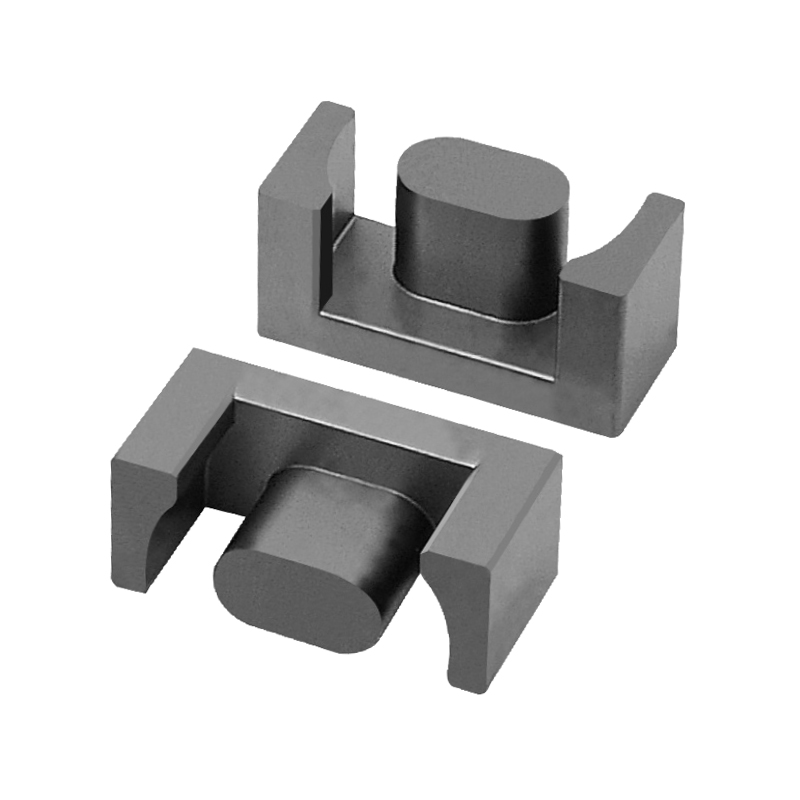
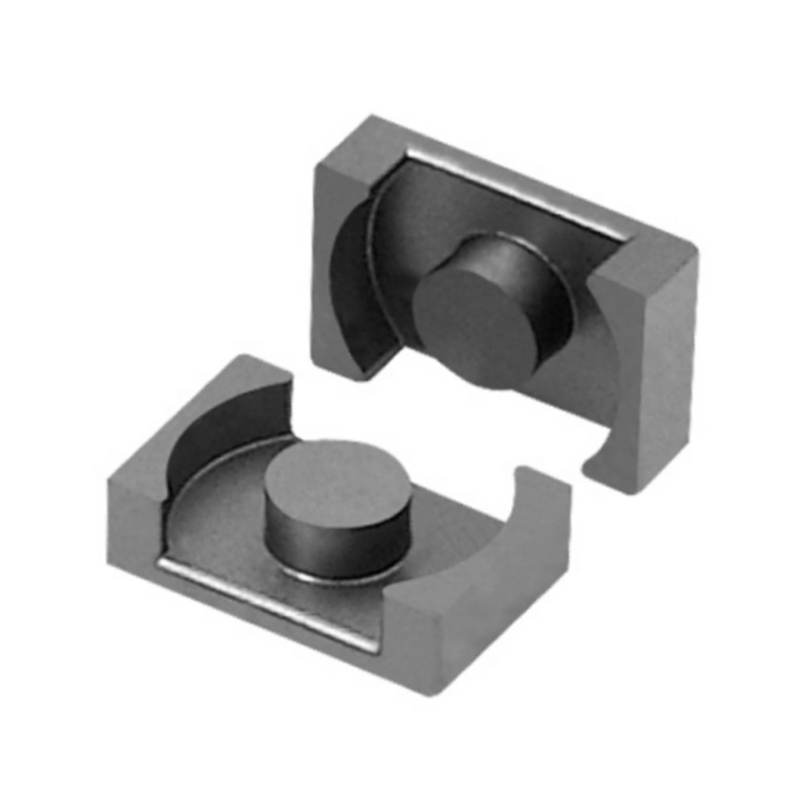
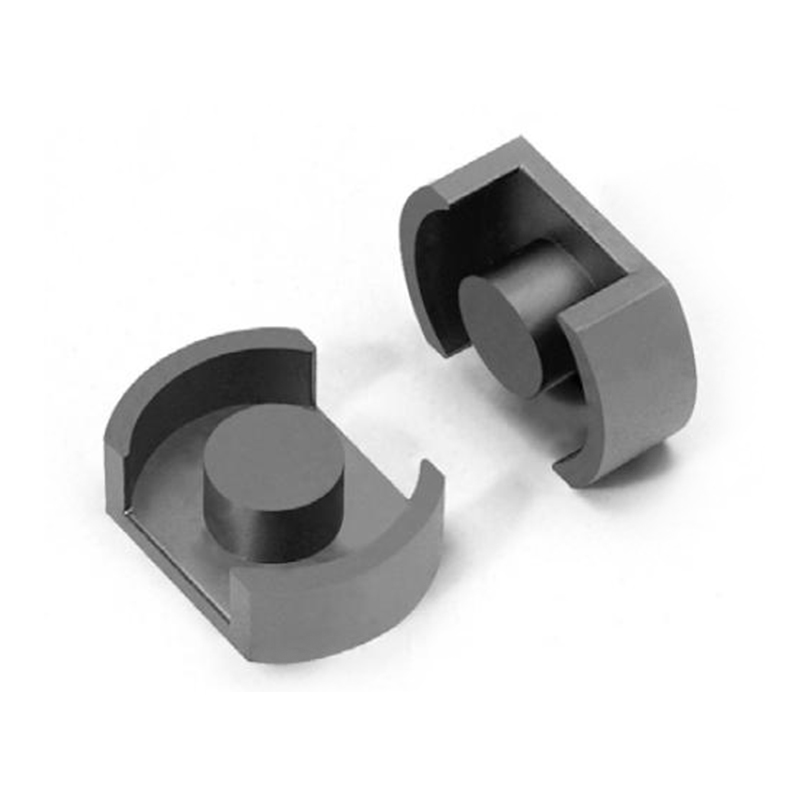
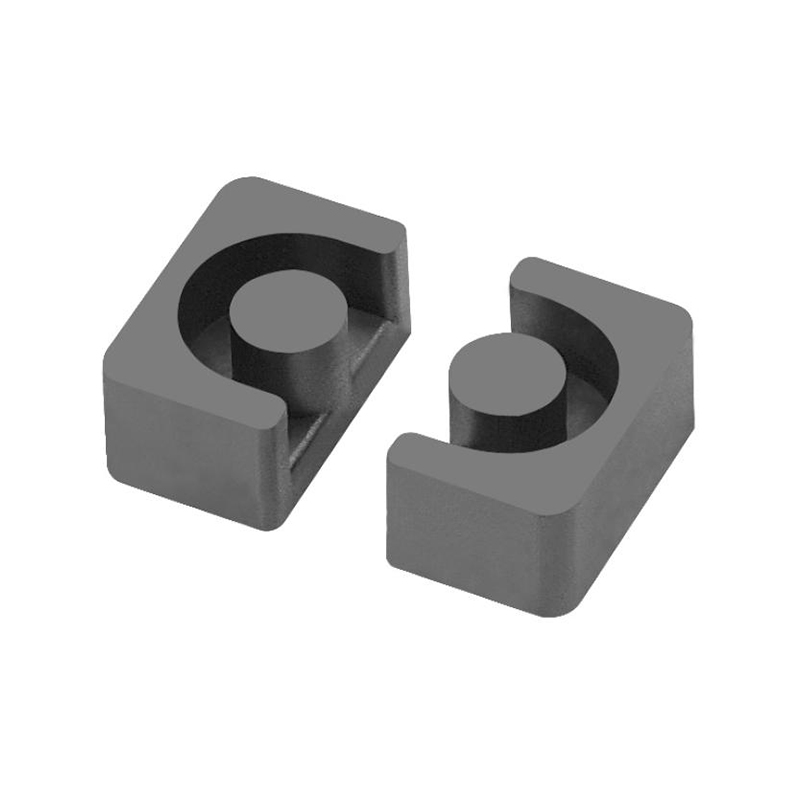
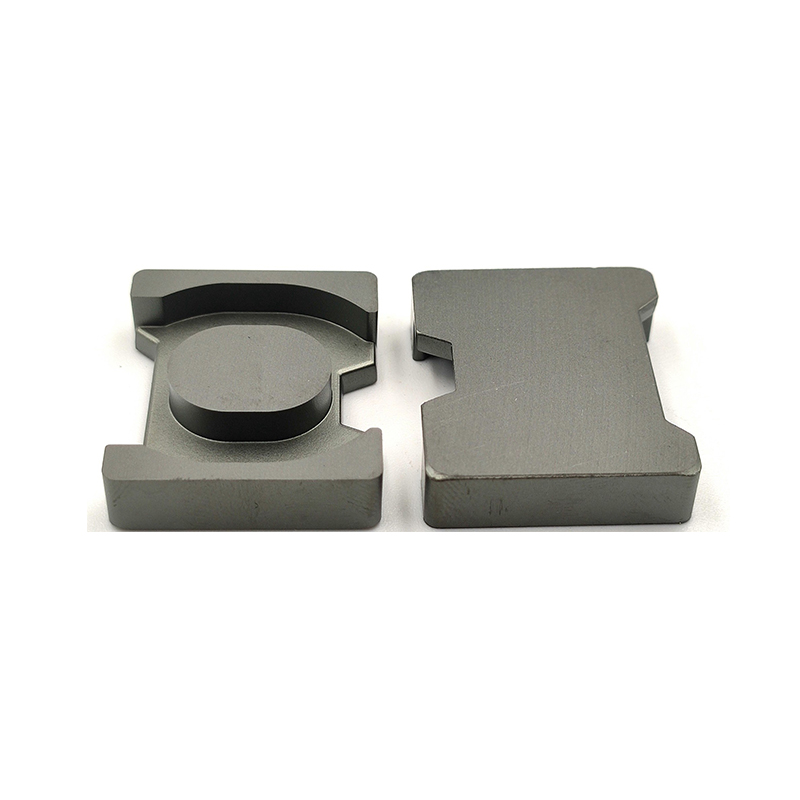
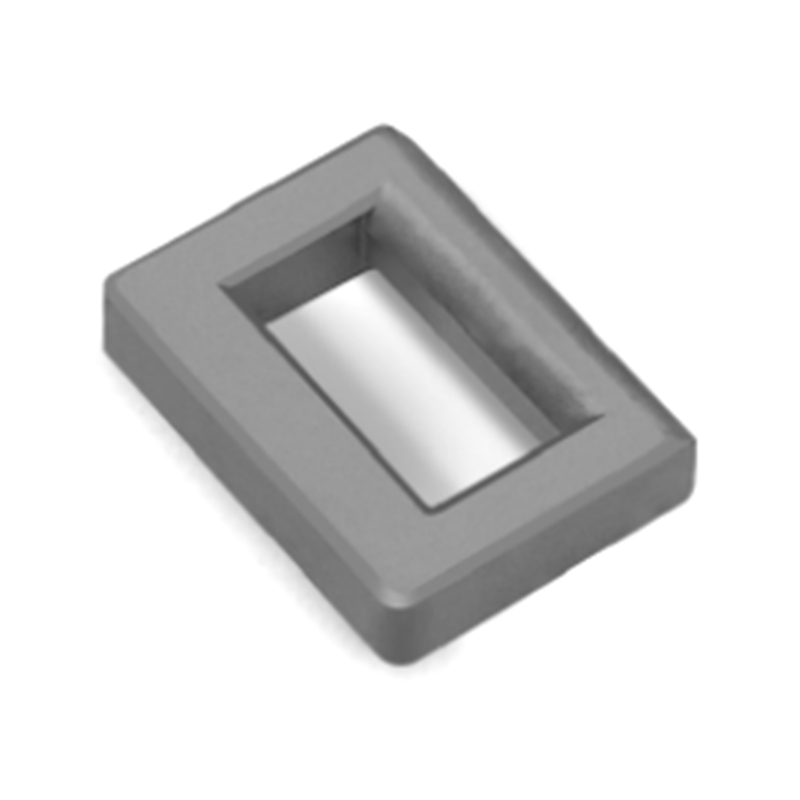
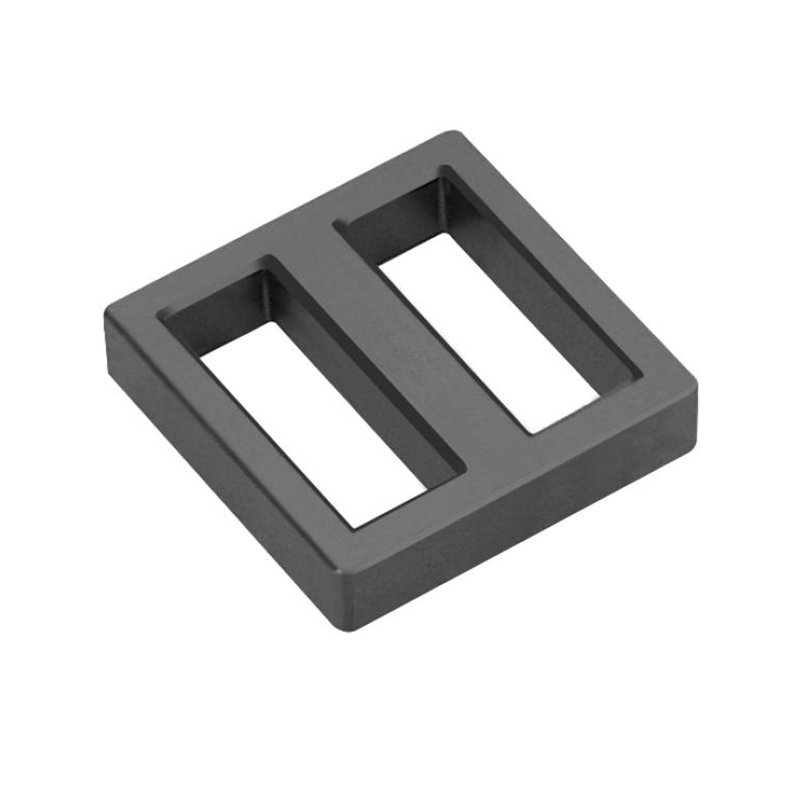
- Core shape: Toroidal, E, or U shapes impact flux distribution and efficiency.
EMI Suppression and High-Frequency Applications
Mn-Zn high conductivity ferrites are also widely used in EMI suppression. These ferrites absorb high-frequency noise and prevent it from affecting sensitive electronic circuits. Their high permeability allows them to attenuate unwanted signals without significant power loss. Common applications include power lines, data cables, and audio/video equipment, where noise reduction is crucial for reliable performance.
Ferrite Beads and Chokes
Ferrite beads and chokes are small, cost-effective components made from Mn-Zn ferrite. They act as low-pass filters, reducing high-frequency noise in circuits. When designing circuits with ferrite beads, it is essential to consider:
- Impedance at the target frequency range.
- Current handling capacity to avoid saturation.
- Physical size and installation constraints in compact devices.
Performance Optimization Tips
To achieve the best results from Mn-Zn high conductivity ferrites, consider these practical optimization techniques:
- Minimize air gaps in transformer cores to increase efficiency.
- Use proper annealing techniques to reduce internal stress and improve permeability.
- Avoid operating near saturation flux density to maintain low core losses.
- Combine with other ferrite types in broadband applications for enhanced noise suppression.
Comparison with Other Ferrite Materials
Mn-Zn ferrites are often compared with Ni-Zn ferrites. Understanding their differences helps engineers choose the right material for the job:
| Property | Mn-Zn Ferrite | Ni-Zn Ferrite |
| Permeability | High | Moderate |
| Frequency Range | Up to several MHz | Up to hundreds of MHz |
| Core Loss | Low at high permeability | Higher at high frequencies |
| Applications | Power transformers, EMI filters | High-frequency antennas, RF circuits |
Conclusion
Mn-Zn high conductivity ferrite is a cornerstone material for modern electronics. Its combination of high permeability, low core loss, and EMI suppression capability makes it indispensable in transformers, inductors, and high-frequency noise filtering applications. By carefully selecting ferrite compositions, core shapes, and operating parameters, engineers can maximize performance, efficiency, and reliability in electronic devices. Proper understanding and optimization of Mn-Zn ferrite properties allow for long-lasting and energy-efficient solutions across a wide range of applications.
Previous Post
High‑Performance Ferrite Core Guide: Selection, Applications, and Best Practices
Next Post
Understanding Common Mode Inductance in Practical Circuit Design