
 English
 한국어
한국어 中文简体
中文简体Understanding Common Mode Inductance in Practical Circuit Design
Content
Introduction to Common Mode Inductance
Common mode inductance (CMI) is a critical parameter in electrical circuits, particularly in power electronics and signal integrity design. It represents the inductance that affects currents flowing in the same direction in multiple conductors, as opposed to differential mode currents, which flow in opposite directions. Understanding and controlling CMI is essential for minimizing electromagnetic interference (EMI) and ensuring stable operation of sensitive devices.
The Role of Common Mode Inductance in Circuits
CMI primarily impacts circuits where multiple conductors are in close proximity, such as in power lines, signal cables, and transformers. High common mode inductance can suppress unwanted noise generated by simultaneous current flows in the same direction, making it particularly valuable in EMI filtering.
Applications in Power Electronics
In switching power supplies, CMI is often incorporated into input and output filters to prevent high-frequency noise from propagating through the system. Without sufficient common mode inductance, noise can couple into other parts of the system, causing malfunction or regulatory compliance failures.
Signal Integrity in High-Speed Circuits
High-speed digital circuits are sensitive to common mode currents, which can cause crosstalk and data corruption. By carefully designing the common mode inductance of interconnects or employing common mode chokes, engineers can reduce noise and improve signal fidelity.
Measuring Common Mode Inductance
Measuring CMI accurately is crucial for verifying circuit performance and ensuring EMI compliance. The process involves evaluating how inductors or coils react to currents flowing in the same direction. Several practical methods are commonly used:
- Using an LCR meter in a configuration where identical currents pass through all windings simultaneously.
- Applying a network analyzer to measure impedance over a frequency range to extract the common mode component.
- Constructing a test jig that allows separation of differential and common mode responses, especially for complex multi-conductor assemblies.
Design Considerations for Common Mode Inductance
Effective design of CMI components involves a careful balance of inductance, size, and losses. Overdesign can lead to unnecessary cost and space consumption, while underdesign risks insufficient EMI suppression.
Core Material Selection
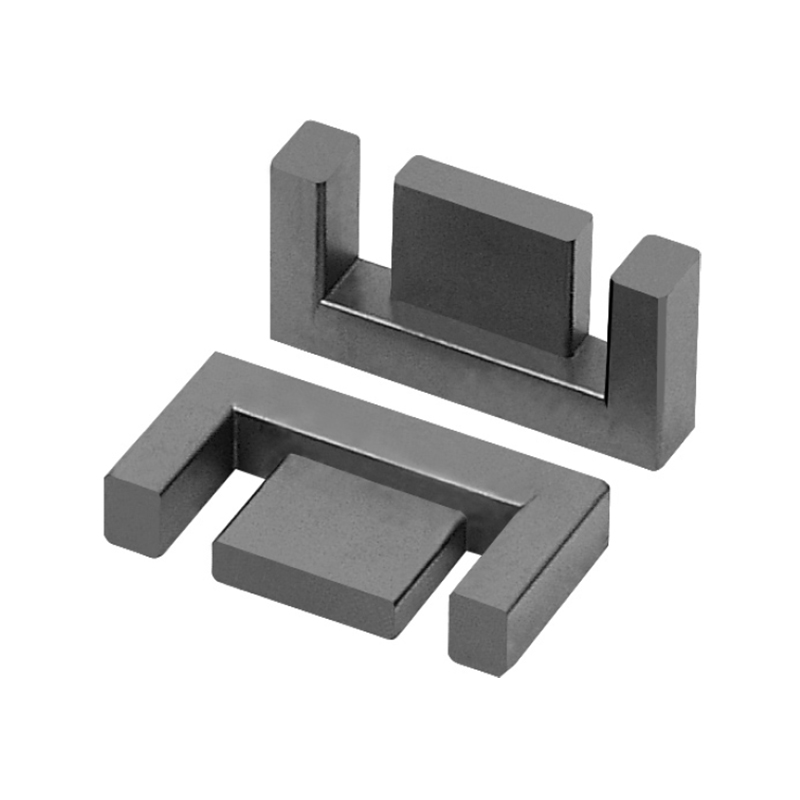
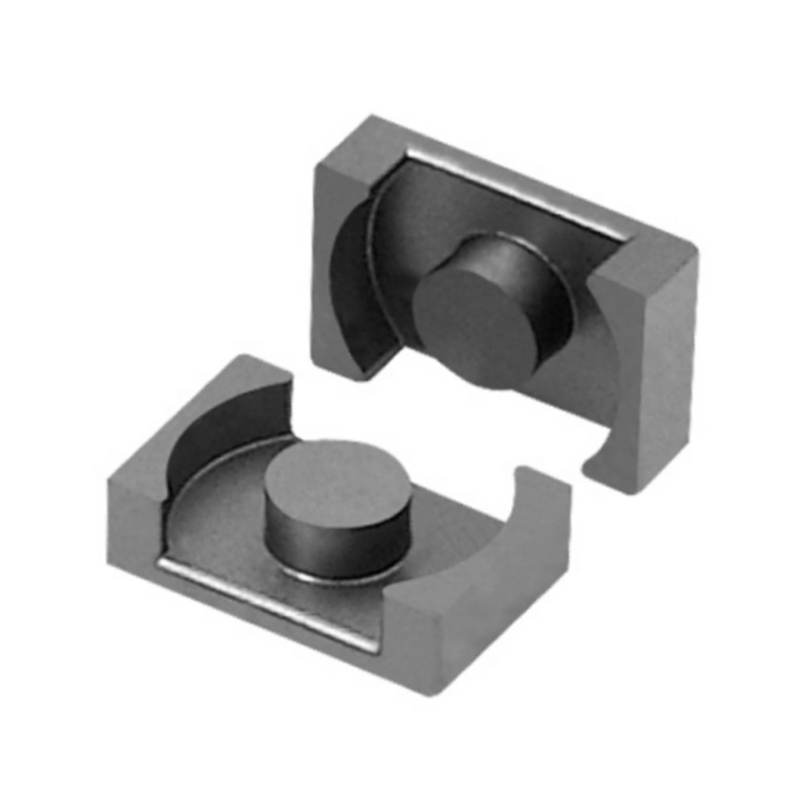
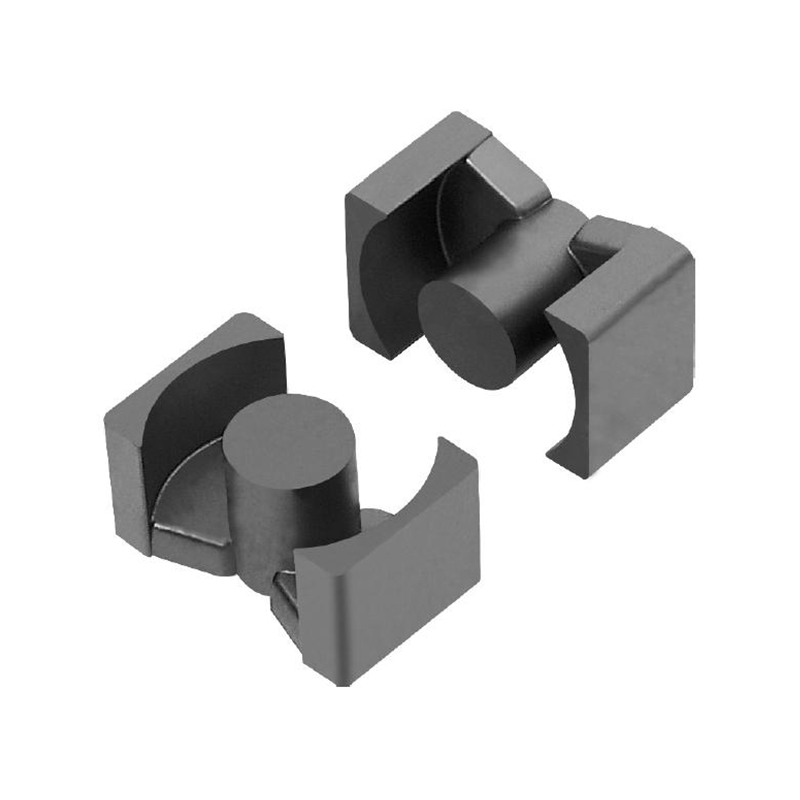
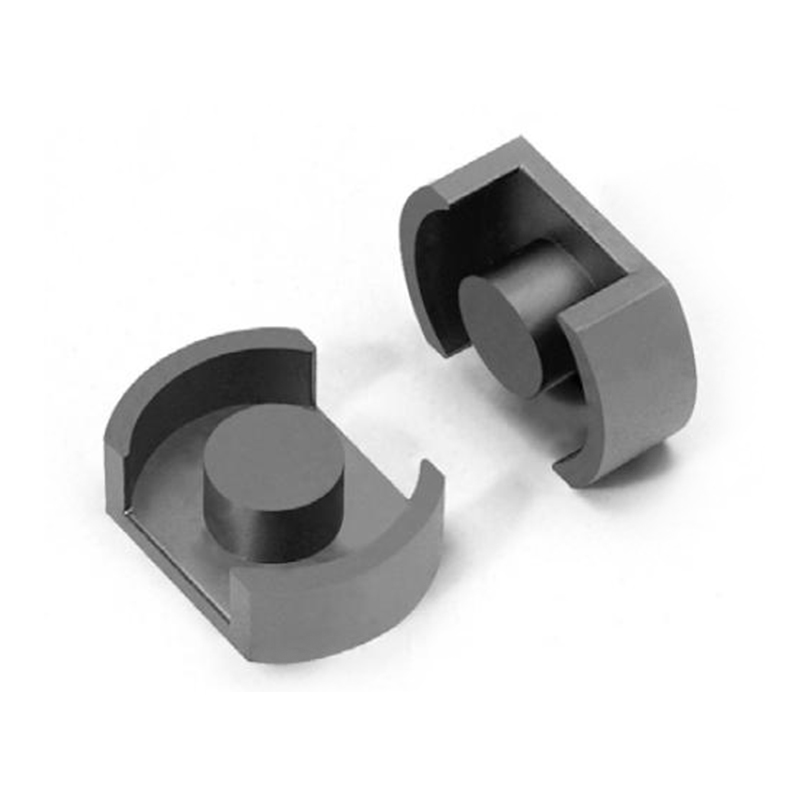
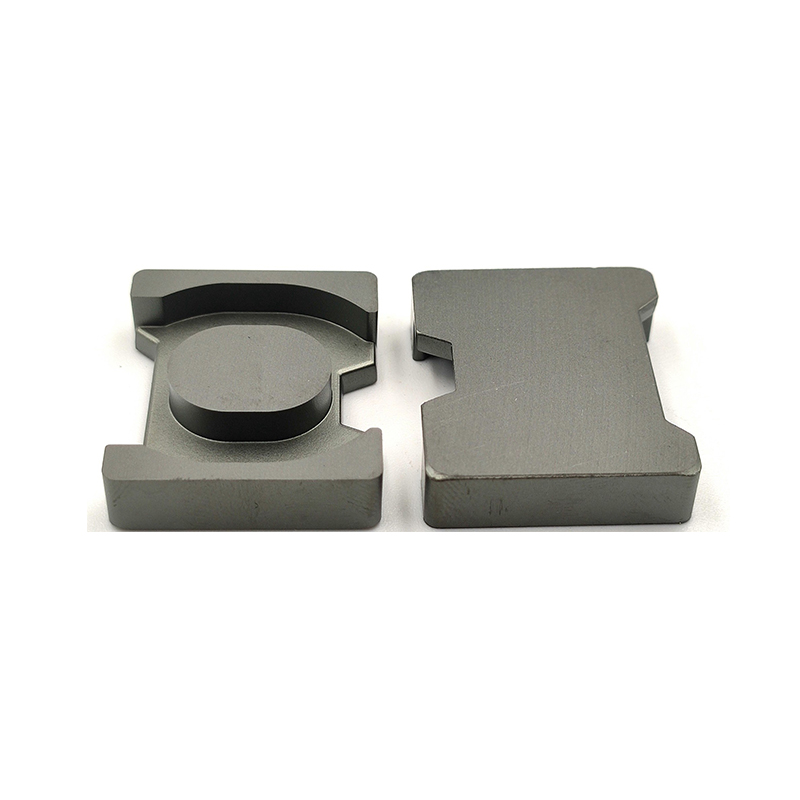
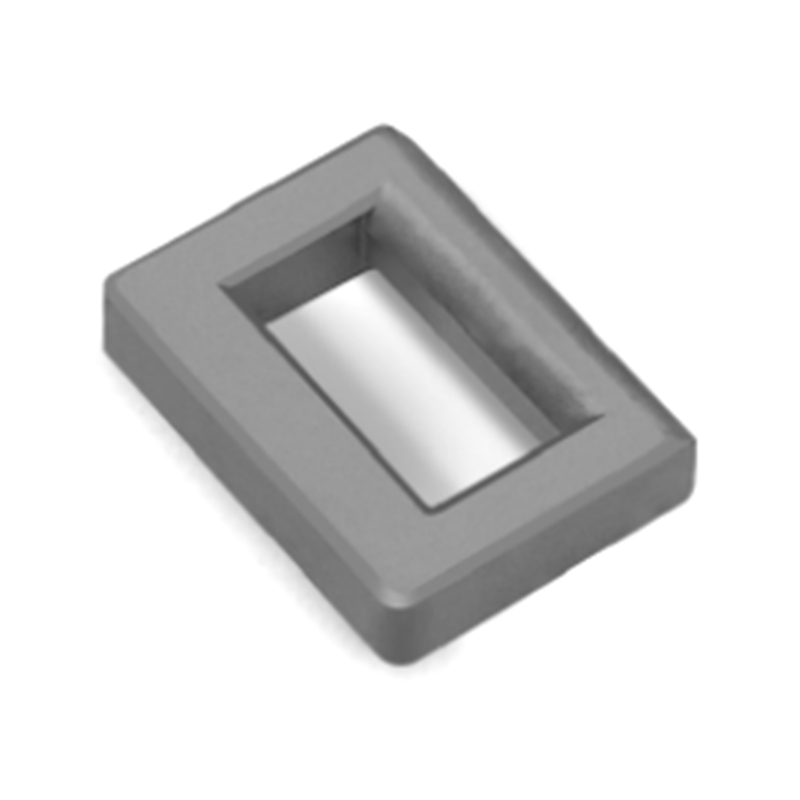
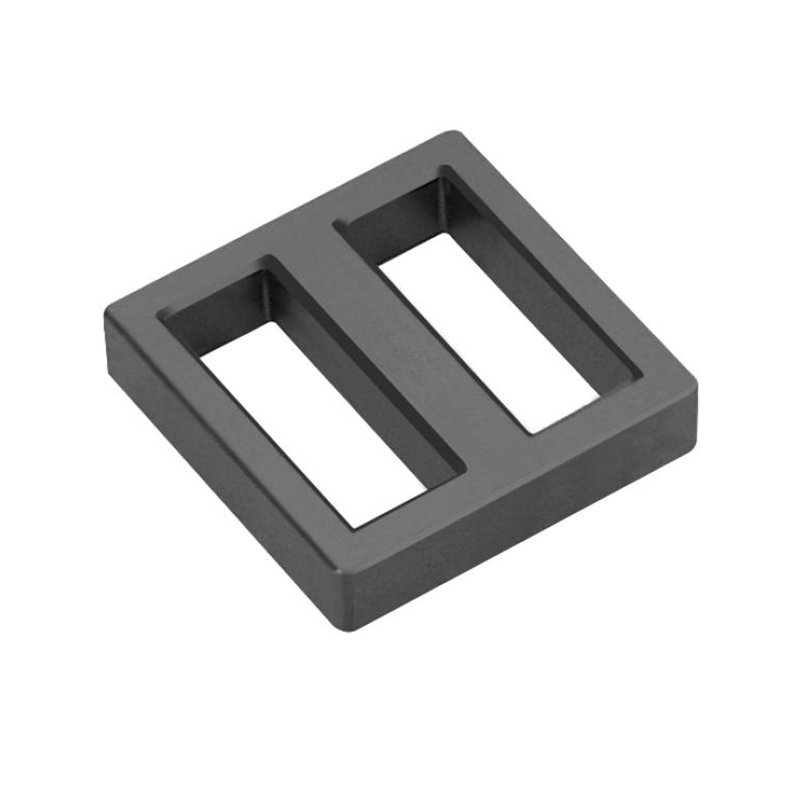
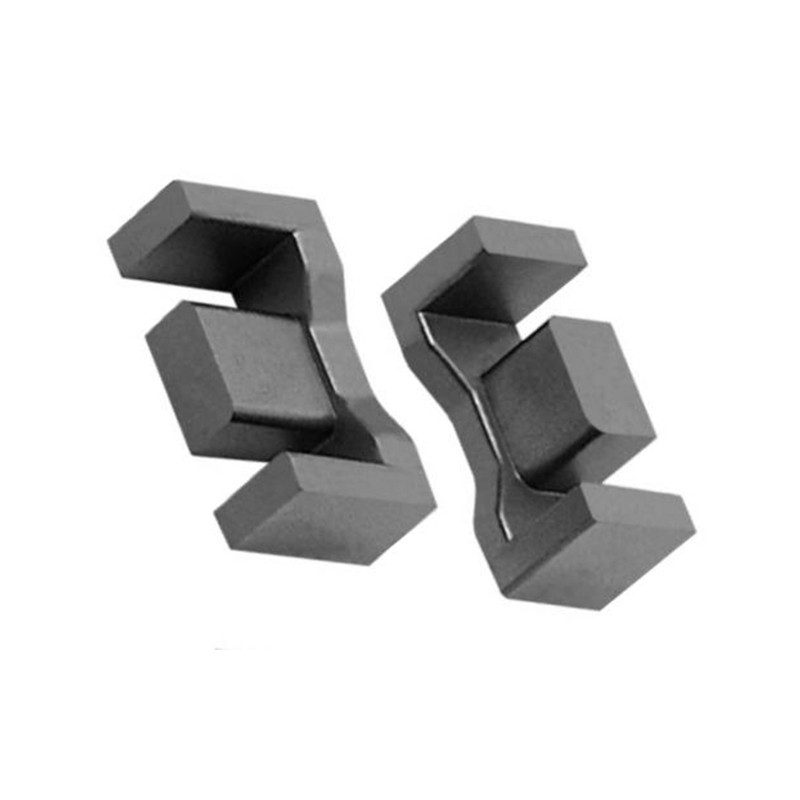
The choice of magnetic core material affects both inductance and frequency response. Ferrite cores are common due to their high permeability and low losses at high frequencies. Powdered iron cores may be chosen for high-current applications requiring linear behavior.
Winding Techniques
Proper winding ensures maximum common mode suppression. Techniques include bifilar or trifilar windings, where multiple wires are wound together to create equal inductance for each conductor. Symmetry in winding is essential to maintain consistent inductance and minimize stray fields.
Practical Circuit Layout
Placing common mode chokes close to the noise source improves effectiveness. Additionally, maintaining consistent conductor spacing and minimizing loops reduces differential mode coupling into common mode paths. PCB designers often route noisy traces through chokes to enhance suppression.
Comparing Common Mode and Differential Mode Inductance
It is important to distinguish between common mode inductance (CMI) and differential mode inductance (DMI), as both influence circuit performance differently. While CMI suppresses noise from in-phase currents, DMI affects the normal operation of current loops carrying opposing currents.
| Parameter | Common Mode Inductance | Differential Mode Inductance |
| Current Direction | Same direction in multiple conductors | Opposite directions in conductors |
| Purpose | Suppress EMI and common mode noise | Maintain intended signal and power transfer |
| Typical Applications | EMI filters, signal lines, power supply inputs | Inductors in power circuits, transformers |
Optimizing Common Mode Inductance in Practice
Optimization involves tuning the inductor characteristics to match the specific application frequency range and current requirements. Simulation tools can help predict CMI performance before prototyping, reducing development time and cost.
- Use electromagnetic simulation to estimate common mode impedance across the operating frequency range.
- Select core materials that minimize high-frequency losses without saturating at maximum current.
- Ensure symmetrical winding and consistent spacing to prevent imbalance in inductance.
- Verify with bench measurements using LCR meters or network analyzers for final tuning.
Conclusion
Common mode inductance is a cornerstone of EMI management and signal integrity in modern electronics. By understanding its principles, measurement techniques, and design considerations, engineers can create circuits that are both reliable and compliant with regulatory standards. Proper selection of materials, winding methods, and layout strategies ensures optimal performance while minimizing unnecessary cost and size.
Previous Post
Optimizing Electrical Applications with Mn-Zn High Conductivity Ferrite
Next Post
Practical Guide to Soft Magnetic Ferrites in Modern Electronics