
 English
 한국어
한국어 中文简体
中文简体Practical Guide to Soft Magnetic Ferrites in Modern Electronics
Content
Understanding Soft Magnetic Ferrites
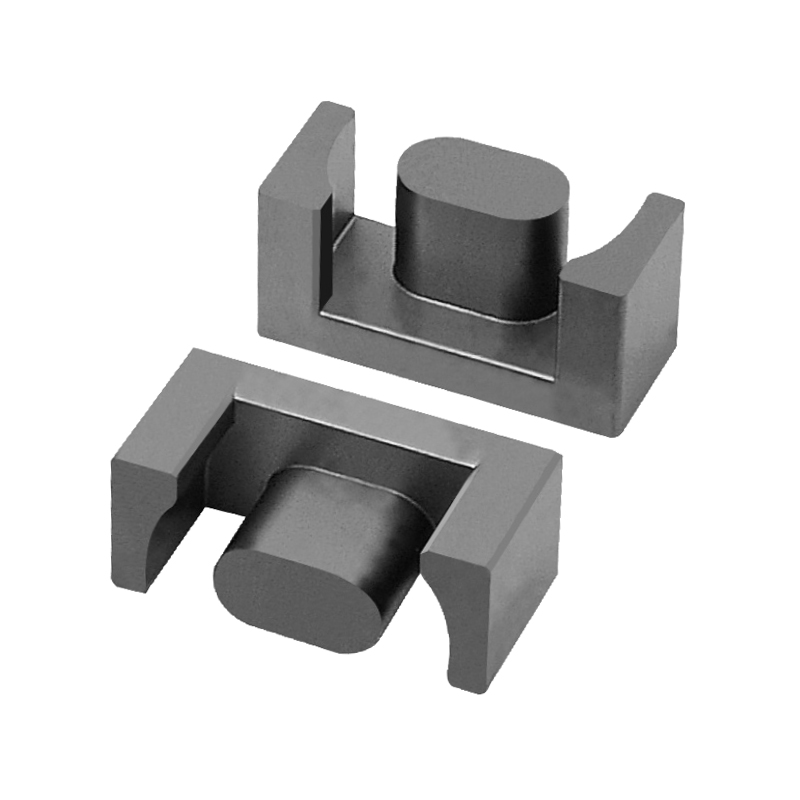
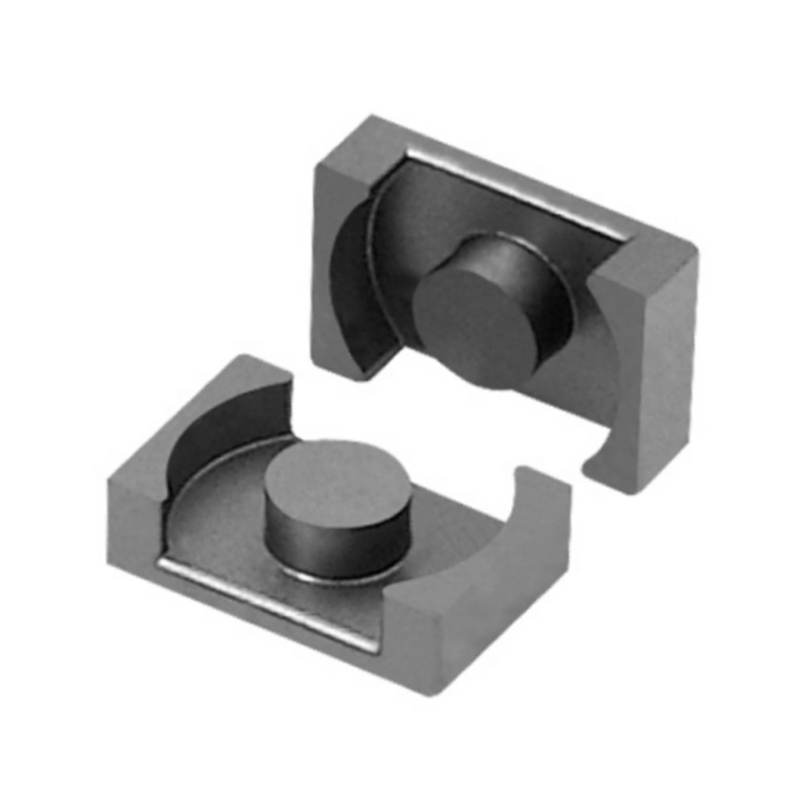
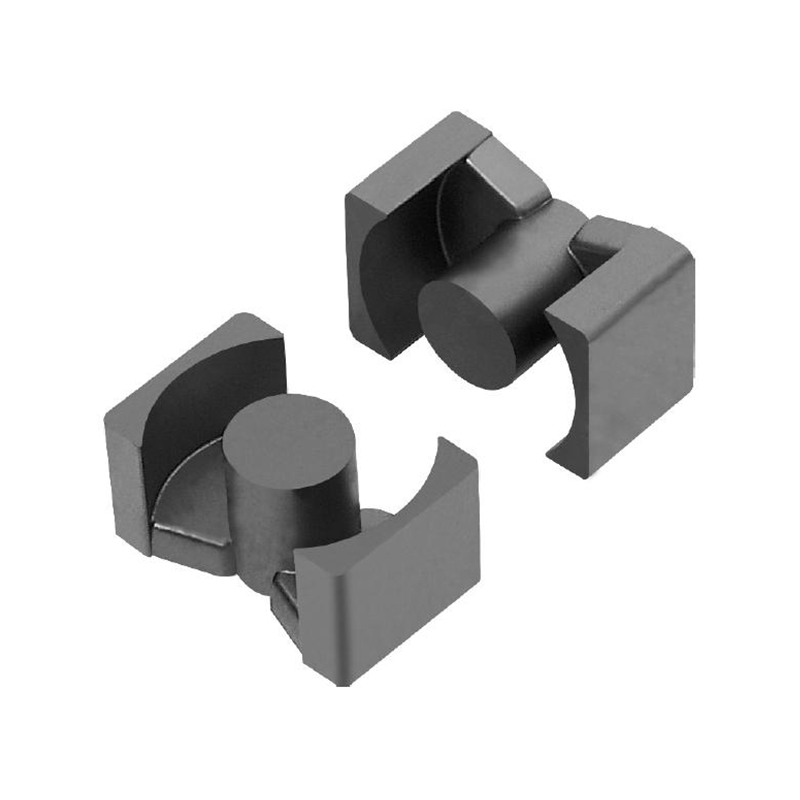
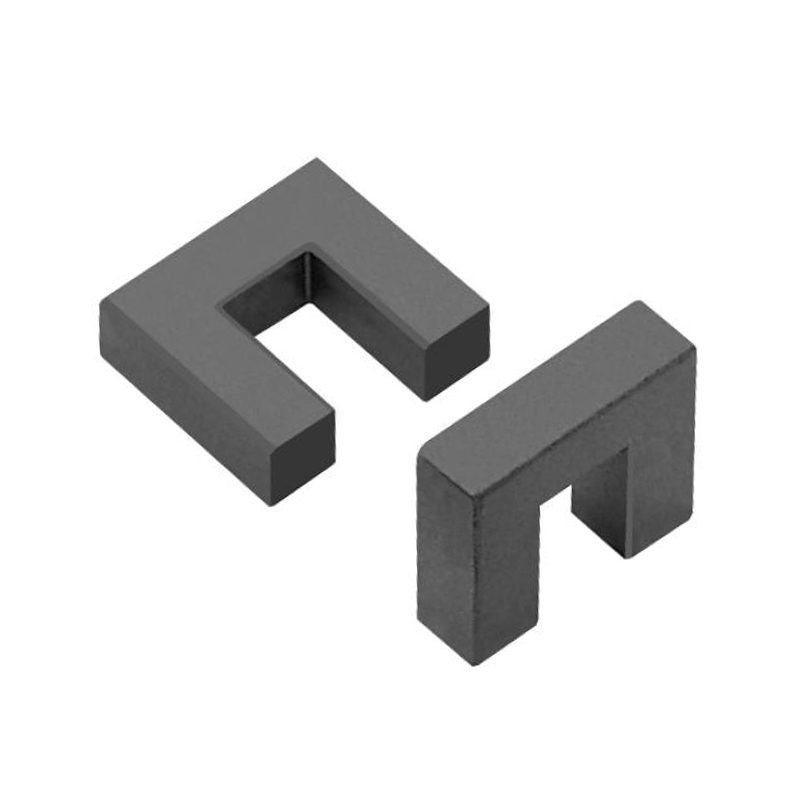
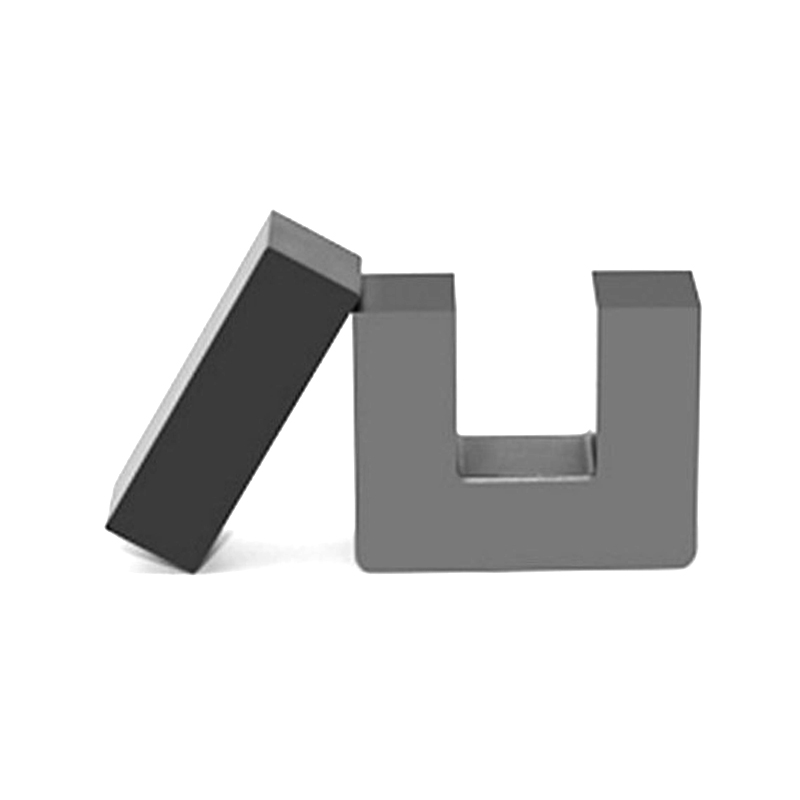
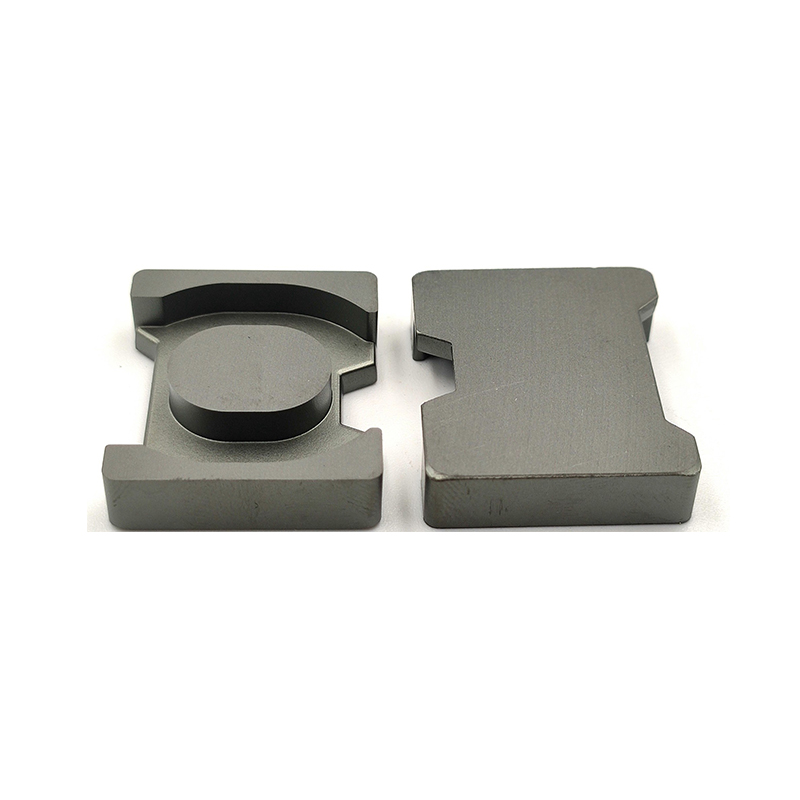
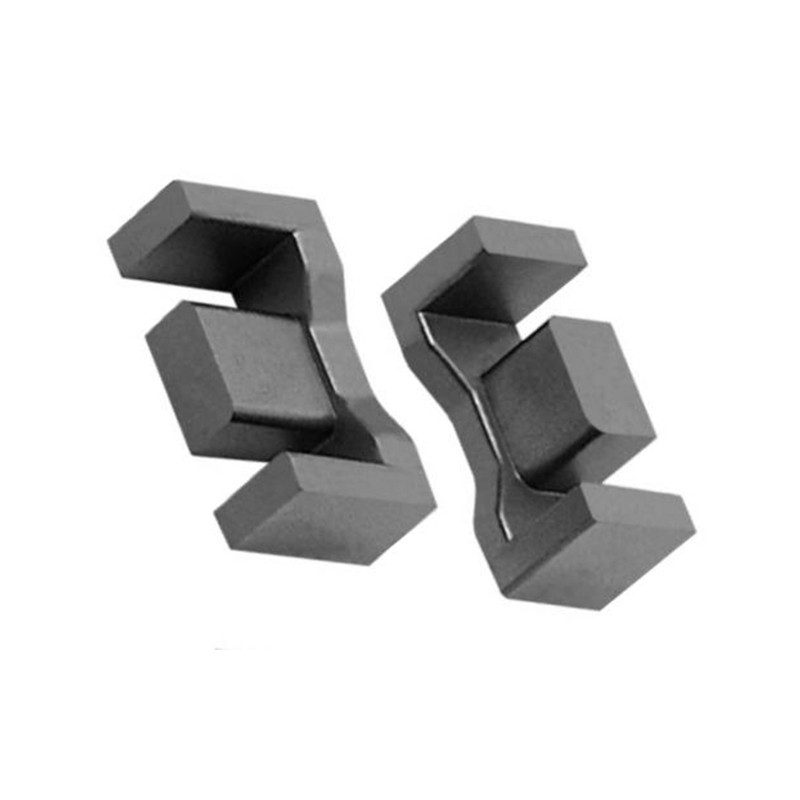
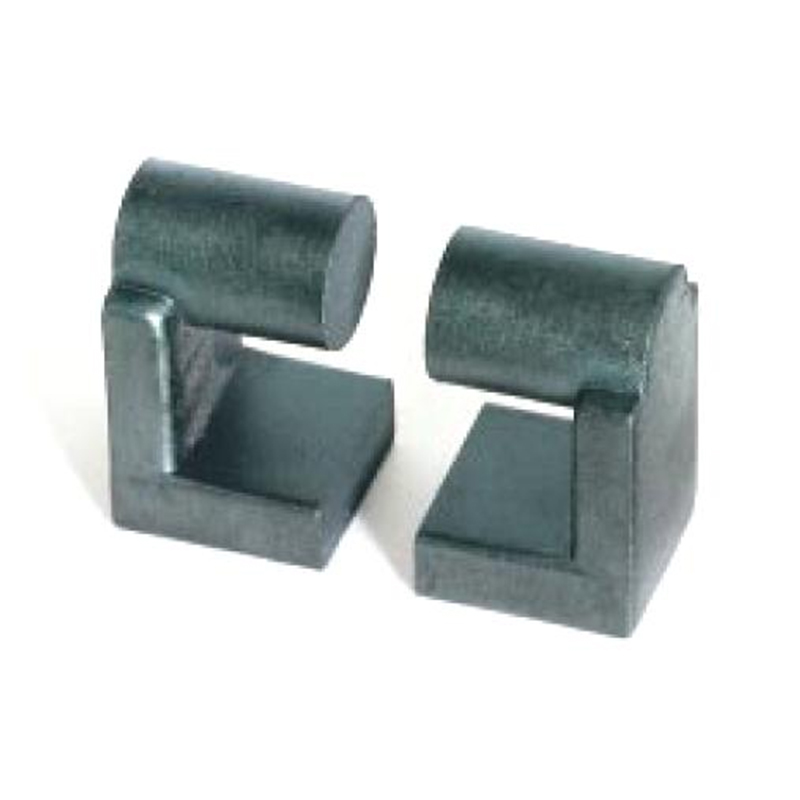
Soft magnetic ferrites are ceramic-based magnetic materials widely used in electronic and electrical systems where efficient magnetic flux control is required. Unlike metallic magnetic materials, ferrites are composed primarily of iron oxide combined with elements such as manganese, zinc, or nickel. Their defining advantage lies in high electrical resistivity, which significantly reduces eddy current losses at high frequencies. This makes them especially suitable for transformers, inductors, and electromagnetic interference suppression components.
Key Material Properties That Influence Performance
The performance of soft magnetic ferrites is determined by a balance of magnetic and electrical characteristics. Designers must understand how these properties interact to select the right ferrite grade for a given application.
Magnetic Permeability and Losses
Initial permeability indicates how easily a ferrite can be magnetized. Higher permeability enables compact component designs, but often comes with increased core losses at elevated frequencies. Core losses consist mainly of hysteresis loss and residual eddy current loss, both of which rise with frequency and flux density.
Electrical Resistivity
Ferrites exhibit resistivity several orders of magnitude higher than silicon steel. This property suppresses circulating currents within the core, enabling stable operation in the kilohertz to megahertz range without excessive heating.
Common Types of Soft Magnetic Ferrites
Soft magnetic ferrites are generally classified based on their chemical composition and resulting frequency behavior. Each type serves a distinct role in electronic design.
- Manganese-Zinc (MnZn) ferrites, optimized for high permeability and low loss at frequencies below 1 MHz.
- Nickel-Zinc (NiZn) ferrites, offering higher resistivity and better performance above 1 MHz.
- Specialized mixed ferrites designed for temperature stability or low noise characteristics.
Manufacturing Process and Its Impact
The manufacturing process of soft magnetic ferrites plays a crucial role in defining their final properties. Powder preparation, calcination, pressing, and sintering steps must be carefully controlled to achieve consistent magnetic behavior.
Sintering and Grain Structure
During sintering, ferrite particles fuse to form a dense ceramic structure. Grain size affects permeability and losses; finer grains generally improve high-frequency performance, while coarser grains may enhance low-frequency permeability.
Typical Applications in Electronic Design
Soft magnetic ferrites are integral to many everyday and industrial electronic systems. Their application depends heavily on operating frequency, power level, and thermal conditions.
| Application | Ferrite Function | Typical Frequency Range |
| Switch-mode transformers | Energy transfer and isolation | 20 kHz – 500 kHz |
| EMI suppression beads | Noise attenuation | 1 MHz – 1 GHz |
| Inductors | Energy storage | 10 kHz – 10 MHz |
Design Considerations and Practical Tips
When integrating soft magnetic ferrites into a design, engineers should consider operating temperature, saturation flux density, and mechanical constraints. Ferrites are brittle, so mechanical stress during assembly can affect reliability.
- Always verify core loss data at the intended frequency and flux density.
- Account for temperature-dependent permeability changes in precision circuits.
- Use appropriate mounting methods to minimize mechanical stress and cracking.
Future Trends in Soft Magnetic Ferrites
Ongoing research aims to improve ferrite materials for higher power density and broader frequency ranges. Advances in material chemistry and processing techniques are enabling lower losses and better thermal stability, supporting the continued miniaturization of power electronics and communication devices.
Previous Post
Understanding Common Mode Inductance in Practical Circuit Design
Next Post
What is the difference between gapped and ungapped MnZn ferrite cores?