
 English
 한국어
한국어 中文简体
中文简体Soft Magnetic Ferrites Powering Green Tech: Transformers to EVs
Content
- 1 The Critical Role of Soft Magnetic Ferrites in Modern Green Technology
- 2 Fundamental Properties Driving Adoption
- 3 Applications in Energy-Efficient Transformers
- 4 Electrification of Transportation
- 5 Market Dynamics and Supply Considerations
- 6 Technological Advancements and Future Directions
- 7 Environmental and Sustainability Considerations
- 8 Strategic Implications for Industry Stakeholders
The Critical Role of Soft Magnetic Ferrites in Modern Green Technology
Soft magnetic ferrites have become indispensable materials in the global transition toward sustainable energy systems, serving as the backbone of efficient power conversion in both traditional transformers and next-generation electric vehicles. These ceramic compounds, characterized by their high electrical resistivity and low magnetic losses, enable the miniaturization and efficiency improvements necessary for modern green technology applications. As the world pushes toward carbon neutrality, the demand for these materials continues to accelerate across multiple sectors.
The unique properties of soft ferrites allow them to operate at high frequencies with minimal energy dissipation, making them ideal for the switching power supplies and inductive components found in renewable energy systems. Unlike metallic magnetic materials, ferrites exhibit negligible eddy current losses due to their inherent insulating nature, resulting in conversion efficiencies that often exceed 98% in well-designed applications.
Fundamental Properties Driving Adoption
Magnetic Characteristics and Performance Metrics
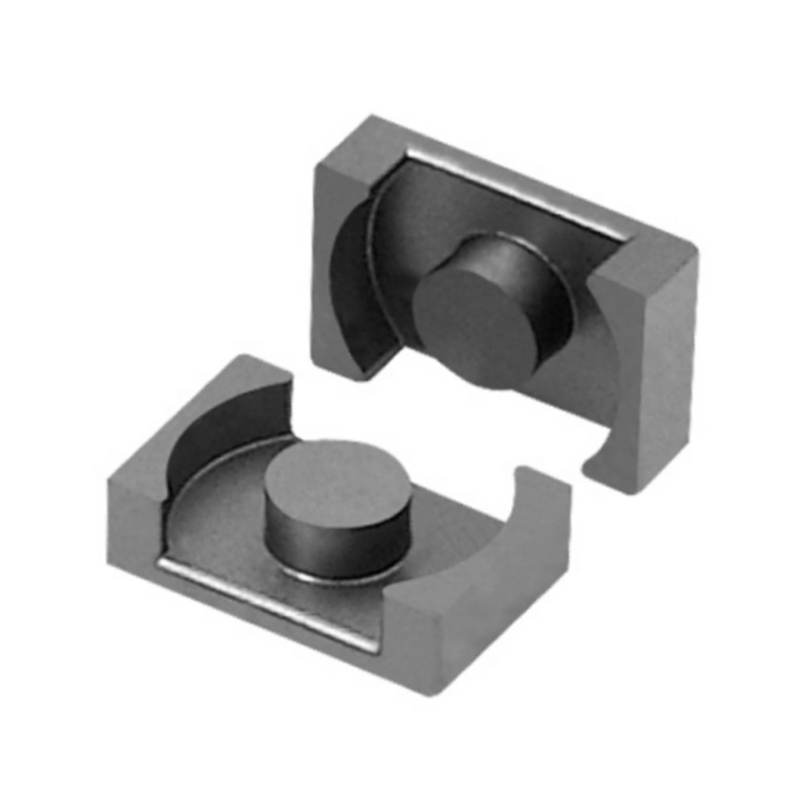
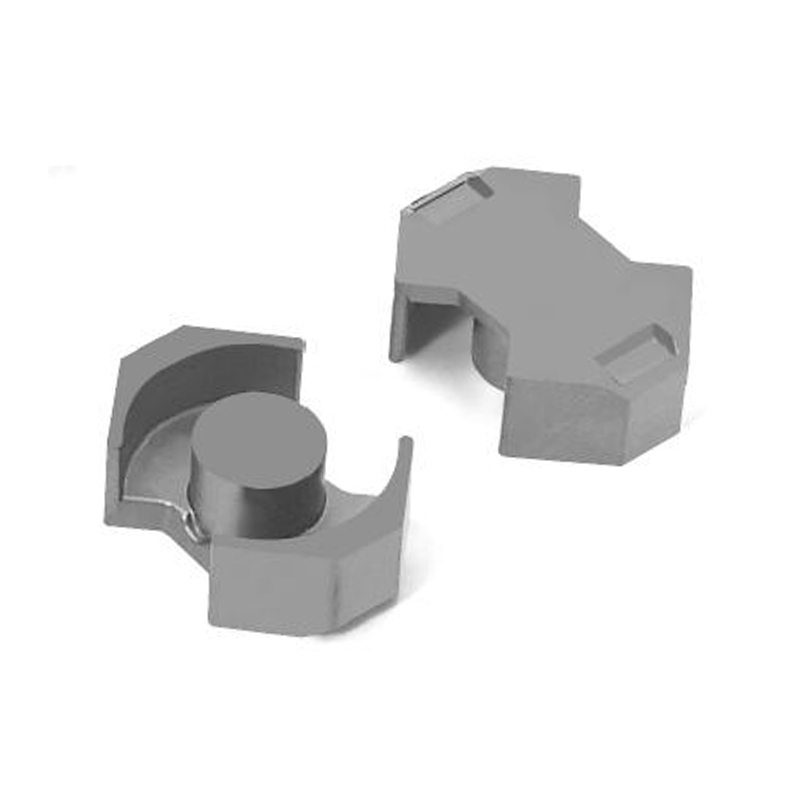
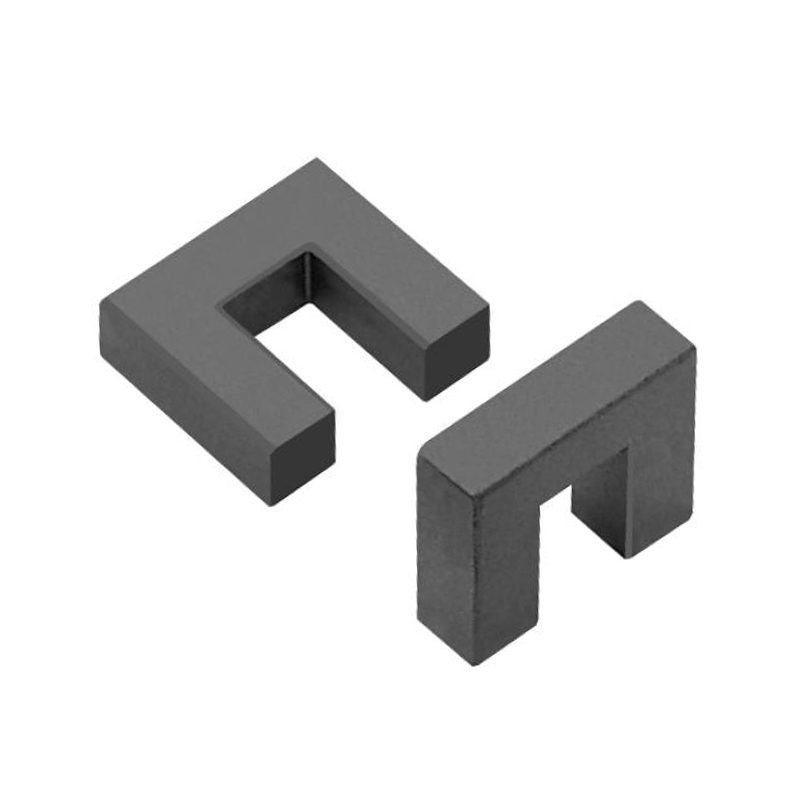
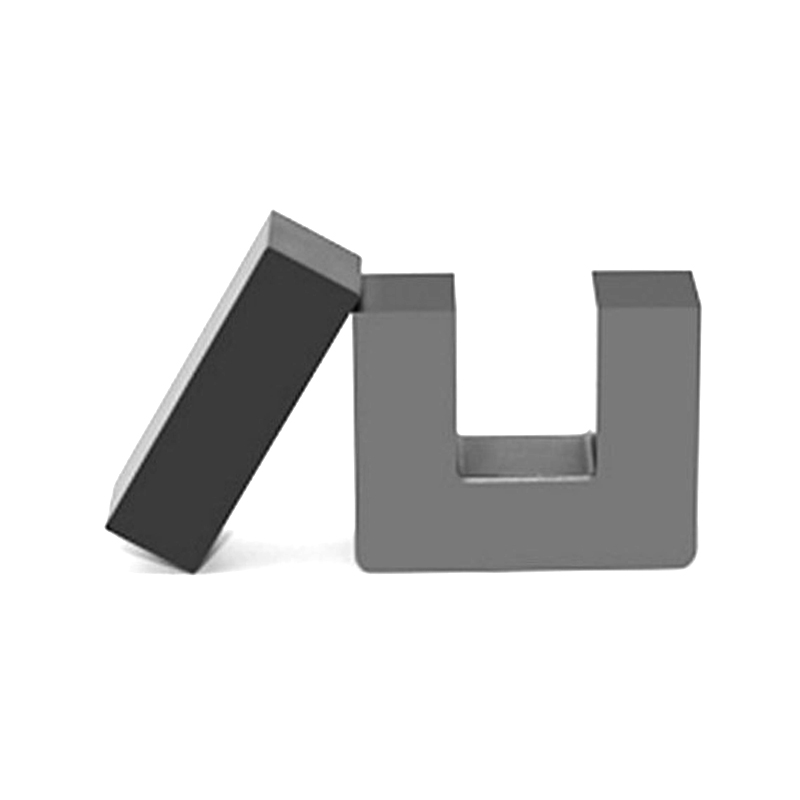
Soft magnetic ferrites belong to the spinel crystal structure family, with manganese-zinc (MnZn) and nickel-zinc (NiZn) compositions dominating industrial applications. MnZn ferrites typically achieve initial permeability values ranging from 1,500 to 15,000, while maintaining saturation flux densities between 400 and 550 millitesla. These characteristics make them particularly suitable for power transformers operating at frequencies up to several megahertz.
The core loss performance of modern ferrite materials has improved significantly over the past decade. Contemporary power ferrites exhibit total core losses as low as 300 kW per cubic meter at 100 kHz and 200 millitesla flux density. This represents a reduction of approximately 40% compared to materials from the early 2000s, directly translating to higher system efficiency and reduced thermal management requirements.
| Ferrite Type | Initial Permeability | Saturation Flux Density (mT) | Typical Frequency Range | Primary Applications |
|---|---|---|---|---|
| MnZn Power Ferrite | 1,500 - 3,000 | 450 - 550 | 1 kHz - 1 MHz | Power transformers, inductors |
| MnZn High-Permeability | 5,000 - 15,000 | 400 - 450 | 1 kHz - 100 kHz | EMI suppression, current sensors |
| NiZn Ferrite | 15 - 1,500 | 300 - 400 | 1 MHz - 300 MHz | RF applications, antennas |
Temperature Stability and Reliability
Operating temperature stability represents a crucial advantage of soft ferrites in green technology applications. High-grade power ferrites maintain consistent magnetic properties across temperature ranges from -40°C to 140°C, with some specialized formulations extending operational limits to 180°C. This thermal resilience ensures reliable performance in the demanding environments typical of electric vehicle power electronics and outdoor renewable energy installations.
Applications in Energy-Efficient Transformers
Distribution and Power Transformers
The global push for energy efficiency has intensified focus on transformer losses, which account for approximately 2% of total electricity generation worldwide. Soft magnetic ferrites enable the construction of high-frequency transformers that significantly reduce core losses compared to traditional silicon steel designs. Amorphous and nanocrystalline materials combined with ferrite cores have demonstrated the potential to reduce no-load losses by 70-80% in distribution applications.
Modern ferrite-based transformer designs leverage the material's high resistivity to operate efficiently at frequencies ranging from 20 kHz to several hundred kHz. This capability supports the development of solid-state transformers, which offer bidirectional power flow, voltage regulation, and power quality improvement functions essential for smart grid integration. These advanced transformers utilize ferrite cores in their high-frequency isolation stages, achieving power densities exceeding 10 kW per liter while maintaining efficiencies above 99%.
Renewable Energy Integration
Solar inverters and wind turbine power converters extensively employ soft magnetic ferrites in their DC-AC conversion stages. The high-frequency switching operations in these systems, typically occurring at 16 kHz to 50 kHz, generate significant magnetic flux variations that ferrite cores handle with minimal hysteresis losses. A typical residential solar inverter with a 5 kW rating contains approximately 2-3 kg of ferrite material in its transformers and inductors.
The transition toward higher switching frequencies in renewable energy systems directly correlates with reduced passive component size and improved power density. Ferrite cores enable these frequency increases while maintaining acceptable loss levels, supporting the trend toward more compact and cost-effective renewable energy installations. Current-generation silicon carbide and gallium nitride power devices, switching at frequencies above 100 kHz, pair naturally with advanced ferrite materials to achieve unprecedented system efficiencies.
Electrification of Transportation
On-Board Chargers and DC-DC Converters
Electric vehicles rely heavily on soft magnetic ferrites for power conversion and management functions. The on-board charger, responsible for converting AC grid power to DC battery voltage, typically employs ferrite-based transformers and inductors operating at switching frequencies between 50 kHz and 200 kHz. These components must handle power levels ranging from 3.3 kW to 22 kW in passenger vehicles, with commercial applications extending to 350 kW for fast-charging systems.
DC-DC converters within electric vehicles utilize ferrite cores to step down high-voltage battery power to 12V or 48V levels for auxiliary systems. The bidirectional nature of modern vehicle architectures requires ferrite materials capable of handling power flow in both directions with equal efficiency. Advanced planar ferrite cores, featuring low-profile geometries and excellent thermal characteristics, have become standard in these applications where space constraints and cooling requirements are critical.
Traction Inverters and Motor Drives
Traction inverters represent the most power-intensive application of soft magnetic ferrites in electric vehicles, converting DC battery voltage to variable-frequency AC for propulsion motors. These systems handle continuous power levels from 50 kW to over 500 kW in passenger vehicles, with heavy-duty commercial vehicles reaching multiple megawatts. Ferrite-based current sensors and EMI suppression components ensure safe and compliant operation of these high-power systems.
The electromagnetic interference filtering requirements in electric vehicles create substantial demand for ferrite components. Common mode chokes wound on high-permeability ferrite toroids suppress conducted emissions across frequency ranges from 150 kHz to 30 MHz, ensuring compliance with stringent automotive EMC standards. A typical electric vehicle contains 15-25 kg of soft magnetic ferrite material distributed across various subsystems.
Market Dynamics and Supply Considerations
Production Capacity and Geographic Distribution
Global production of soft magnetic ferrites exceeds 600,000 metric tons annually, with the majority concentrated in Asian manufacturing centers. The industry has experienced consolidation over the past decade, with the top five producers accounting for approximately 60% of total capacity. This concentration creates supply chain vulnerabilities that manufacturers are addressing through geographic diversification and strategic inventory management.
Raw material costs significantly influence ferrite pricing, with iron oxide, manganese oxide, and zinc oxide representing the primary constituents. Iron oxide typically constitutes 70% of the material composition by weight, making ferrite production sensitive to steel industry byproduct availability. Recent volatility in zinc and nickel prices has prompted research into alternative formulations that reduce dependence on these critical materials.
Demand Projections and Growth Drivers
Market analysis indicates that soft magnetic ferrite demand will grow at a compound annual rate of 5-7% through 2030, driven primarily by electric vehicle adoption and renewable energy expansion. The electric vehicle sector alone is projected to consume 150,000 metric tons of ferrite materials annually by 2028, representing a threefold increase from 2020 levels. This growth trajectory places pressure on existing production capacity and necessitates continued investment in manufacturing infrastructure.
| Application Sector | 2023 Consumption (kilotons) | 2030 Projection (kilotons) | CAGR (%) |
|---|---|---|---|
| Electric Vehicles | 65 | 185 | 16.1 |
| Renewable Energy | 45 | 95 | 11.3 |
| Industrial Electronics | 180 | 240 | 4.2 |
| Consumer Electronics | 220 | 280 | 3.5 |
Technological Advancements and Future Directions
Material Innovations
Research efforts continue to enhance the performance characteristics of soft magnetic ferrites through compositional modifications and processing improvements. Doping with small quantities of cobalt, nickel, or rare earth elements has demonstrated potential for reducing core losses by an additional 15-20% while maintaining high saturation flux density. These advanced formulations target the next generation of high-frequency power converters operating at switching frequencies above 500 kHz.
Additive manufacturing techniques are emerging as viable methods for producing complex ferrite core geometries that optimize magnetic flux distribution. Three-dimensional printing of ferrite materials enables the fabrication of integrated cooling channels and customized winding forms that improve thermal management and reduce overall component volume. Prototype components produced through these methods have shown 10-15% improvements in power density compared to conventionally manufactured equivalents.
System-Level Integration
The trend toward higher integration in power electronics is driving development of embedded ferrite solutions. Thin-film ferrite deposition techniques allow integration of magnetic components directly onto semiconductor packages or printed circuit boards, reducing parasitic elements and improving high-frequency performance. These technologies enable switching frequencies exceeding 10 MHz in compact DC-DC converters, though current material limitations restrict power handling to relatively low levels below 100 watts.
Hybrid magnetic structures combining ferrite materials with amorphous or nanocrystalline alloys are gaining traction in high-power applications. These composite designs leverage the high saturation flux density of metallic glasses with the low high-frequency losses of ferrites, achieving performance levels unattainable with single-material solutions. Such hybrid cores are particularly relevant for medium-frequency transformers in solid-state transformer applications and high-power EV charging infrastructure.
Environmental and Sustainability Considerations
Life Cycle Assessment
The environmental footprint of soft magnetic ferrite production encompasses raw material extraction, powder processing, sintering operations, and end-of-life disposal. Manufacturing processes typically require firing temperatures between 1,200°C and 1,400°C, contributing to energy consumption and carbon emissions. However, the energy savings enabled by ferrite components during their operational lifetime far exceed the embodied energy of their production, with payback periods often measured in months rather than years.
Recycling of ferrite materials presents both challenges and opportunities. Unlike metallic magnetic materials, ferrites cannot be easily remelted and require specialized reprocessing to recover usable magnetic properties. Current recycling rates for industrial ferrite waste remain below 30%, though research into direct reutilization of manufacturing scrap and end-of-life components is advancing. Closed-loop recycling systems implemented by major manufacturers have demonstrated the technical feasibility of recovering high-quality ferrite powder from production waste streams.
Regulatory Compliance and Standards
Regulatory frameworks increasingly influence ferrite material selection and application design. The European Union's Restriction of Hazardous Substances directive limits the use of certain additives in electronic components, while REACH regulations govern chemical substance registration and safety assessment. Ferrite manufacturers have successfully transitioned to lead-free and cadmium-free formulations, ensuring continued market access while maintaining magnetic performance standards.
Energy efficiency regulations for transformers and power supplies indirectly drive demand for high-performance ferrite materials. The European Commission's Ecodesign requirements mandate minimum efficiency levels for power transformers, with Tier 2 standards effective from 2021 requiring maximum load losses of 100 watts for 1,000 kVA distribution transformers. Similar efficiency standards in North America and Asia-Pacific regions create global demand for low-loss magnetic materials that support compliance with these regulations.
Strategic Implications for Industry Stakeholders
Organizations operating across the green technology value chain must develop comprehensive strategies regarding soft magnetic ferrite utilization. Component manufacturers should establish dual-source supply arrangements to mitigate geographic concentration risks, while simultaneously investing in material characterization capabilities to validate alternative ferrite grades. The technical specifications for ferrite materials require careful alignment with specific application requirements, as over-specification increases costs while under-specification risks reliability failures.
Design engineers working on transformer and inductor development must balance multiple competing constraints including core loss, saturation flux density, temperature stability, and mechanical robustness. The selection of appropriate ferrite materials should consider not only initial performance but also long-term aging characteristics under thermal and electrical stress. Accelerated life testing protocols, typically involving 1,000 to 5,000 hours of operation at elevated temperatures, provide essential data for predicting component lifetime in field applications.
The transition toward higher switching frequencies and increased power densities in green technology applications will continue to drive innovation in soft magnetic ferrite materials. Stakeholders who invest in understanding these materials' capabilities and limitations will be positioned to capitalize on the ongoing electrification of transportation and expansion of renewable energy systems. As these trends accelerate, soft magnetic ferrites will remain fundamental enablers of the efficient power conversion technologies essential for global sustainability objectives.
Previous Post
Minimizing Losses: Optimizing Magnetic Loop Inductance for High-Efficiency Systems
Next Post
H-Shaped Inductors: How They Improve Circuit Efficiency and Stability