
 English
 한국어
한국어 中文简体
中文简体Home / News / Industry News / Mn-Zn High Conductivity Ferrite: Key Properties, Applications & Selection Tips
Mn-Zn High Conductivity Ferrite: Key Properties, Applications & Selection Tips
Content
- 1 Why Engineers Keep Choosing Mn-Zn High Conductivity Ferrite
- 2 What Sets High-Conductivity MnZn Ferrite Apart
- 3 Core Application Areas
- 4 Key Parameters to Verify Before You Order
- 5 Matching the Material to the Right Core Shape
- 6 Handling and Storage Considerations
- 7 The Bottom Line for Component Engineers
Why Engineers Keep Choosing Mn-Zn High Conductivity Ferrite
Switched-mode power supplies run hotter, faster, and smaller than they did a decade ago — and the magnetic core sitting at the heart of every transformer and inductor needs to keep up. Among all the soft magnetic options available today, Mn-Zn High Conductivity Ferrite has become the go-to choice for power electronics designers targeting low losses across a wide frequency band. Understanding exactly why — and knowing when to use it — can save you significant time during component selection.
What Sets High-Conductivity MnZn Ferrite Apart
Standard MnZn ferrite is already valued for its high initial permeability and low core loss at frequencies up to a few MHz. The high-conductivity variant takes this further by engineering the grain boundary structure to raise electrical resistivity well above the baseline — often exceeding 1×10⁴ Ω·m — without sacrificing the soft magnetic properties that make MnZn materials desirable in the first place.
The practical result is a material that simultaneously offers high magnetic permeability (typically μi 5,000–15,000), suppressed eddy current loss at elevated frequencies, and a relatively high saturation flux density (Bs) in the range of 400–500 mT at 25°C. That combination is rare. Most materials that push resistivity higher pay for it with reduced permeability or a lower Curie temperature.
Composition-wise, the base recipe draws on Fe₂O₃ (roughly 51–54 mol%), ZnO (18–24 mol%), and MnO for the balance, with controlled additions of CaO, SiO₂, and occasionally V₂O₅ or TiO₂ to tune grain boundary resistance and thermal stability. Small changes here produce measurable shifts in performance, which is why reputable suppliers characterize each production lot against published specifications.
Core Application Areas
The material earns its keep in three overlapping domains:
- EMI common-mode filters. Toroidal cores wound with high-conductivity MnZn ferrite are a standard building block for common-mode chokes on AC power lines and signal cables. The high permeability delivers the inductance needed to block noise in the 100 kHz–1 MHz band, while the elevated resistivity keeps the core itself from contributing eddy-current heating.
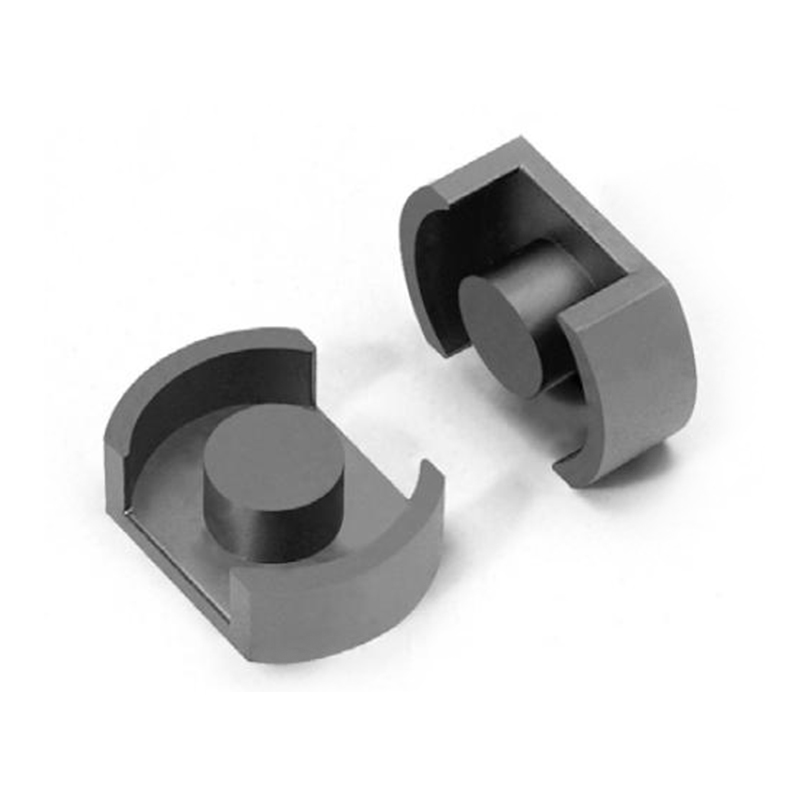
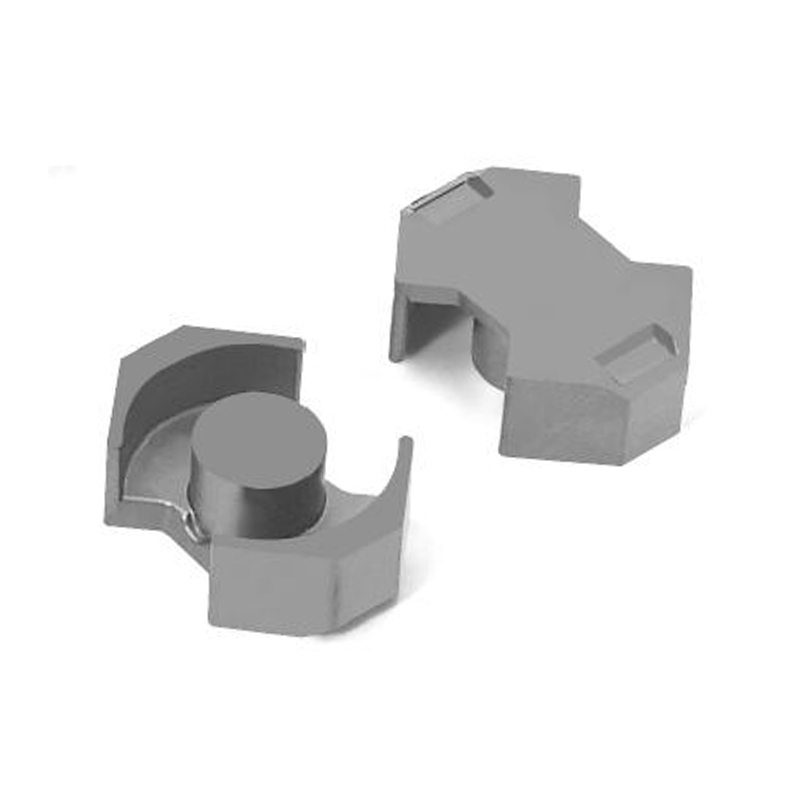
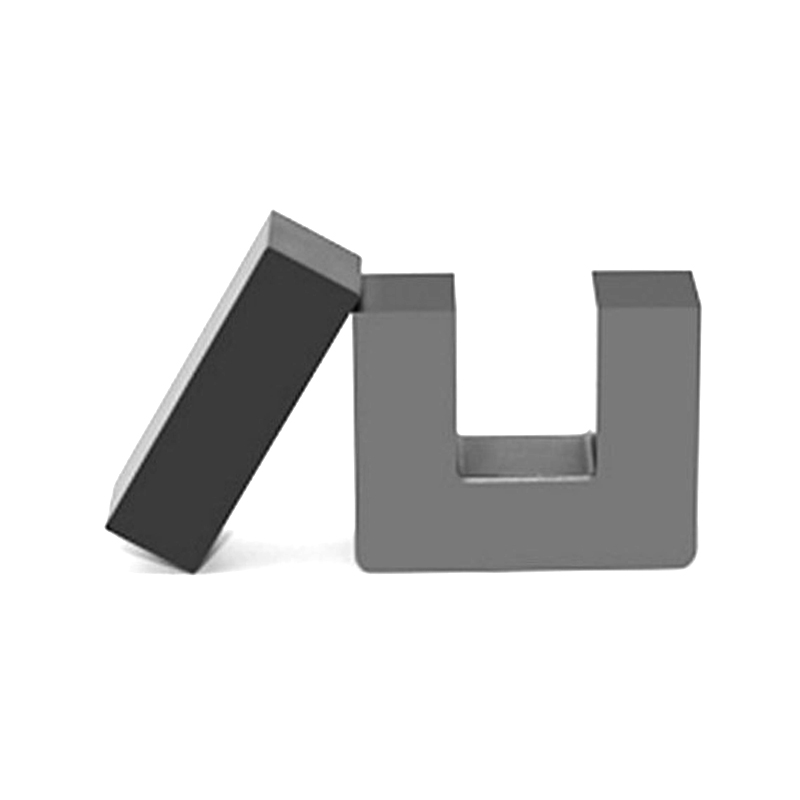
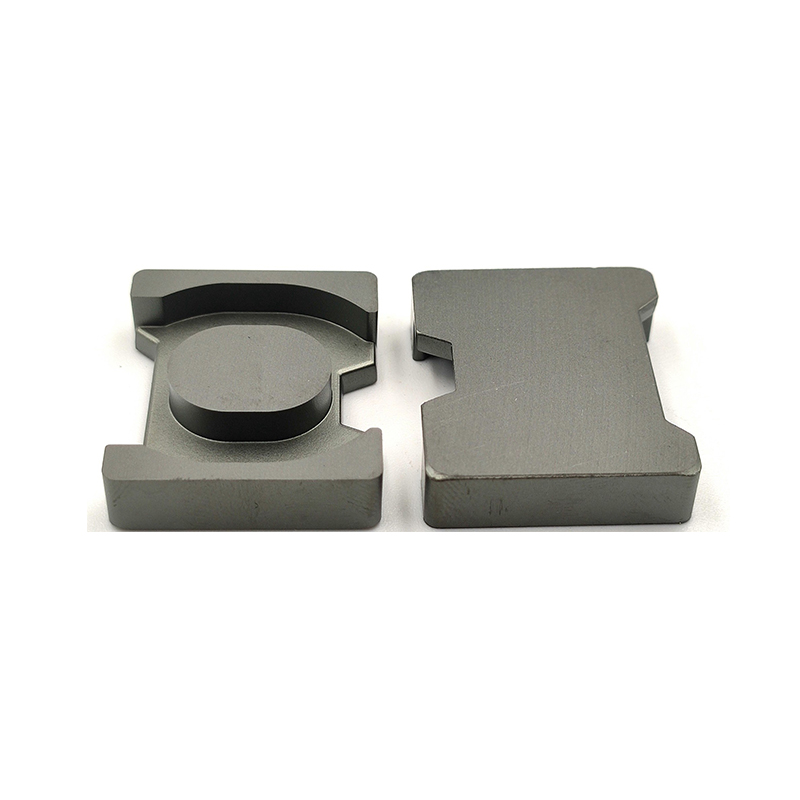
- Switching power supply transformers. In SMPS operating at 50 kHz–500 kHz, core loss is a primary efficiency driver. High-conductivity MnZn ferrite keeps total loss (hysteresis + eddy current) low across this range, which is why it appears in EE, ETD, PQ, and toroidal core geometries for everything from phone chargers to server PSUs.
- Power inductors and filter chokes. Energy storage inductors in DC-DC converters benefit from the material's high Bs — it pushes saturation further, allowing smaller core sizes at a given current. Combined with low permeability roll-off versus frequency, this makes it workable in compact designs where Ni-Zn ferrite's lower Bs would force a larger footprint.
For designers comparing options, the split point between MnZn and NiZn is roughly 5 MHz for transformers and 70 MHz for common-mode chokes — above those thresholds, NiZn's higher resistivity wins; below them, MnZn's permeability and Bs advantage typically dominates.
Key Parameters to Verify Before You Order
Datasheets for MnZn ferrite can look similar at a glance. These are the numbers worth checking carefully:
| Parameter | What to Look For | Why It Matters |
|---|---|---|
| Initial permeability (μi) | Match to your inductance target at operating frequency | Determines achievable inductance per turn |
| Core loss (Pcv) | Specified at your switching frequency and flux density | Directly sets thermal budget |
| Saturation flux density (Bs) | ≥400 mT at 25°C preferred for power apps | Sets maximum operating flux before saturation |
| Curie temperature (Tc) | >200°C for most industrial designs | Core must stay well below Tc at operating temp |
| Resistivity (ρ) | Higher = less eddy current loss at frequency | Distinguishes high-conductivity grade from standard |
One detail that catches designers off guard: permeability is not flat with frequency. High-conductivity MnZn cores hold their μi well into the hundreds of kHz range, but roll-off begins below 1 MHz in most grades. Always check the supplier's permeability-vs-frequency curve at your actual operating point, not just the room-temperature DC value.
Matching the Material to the Right Core Shape
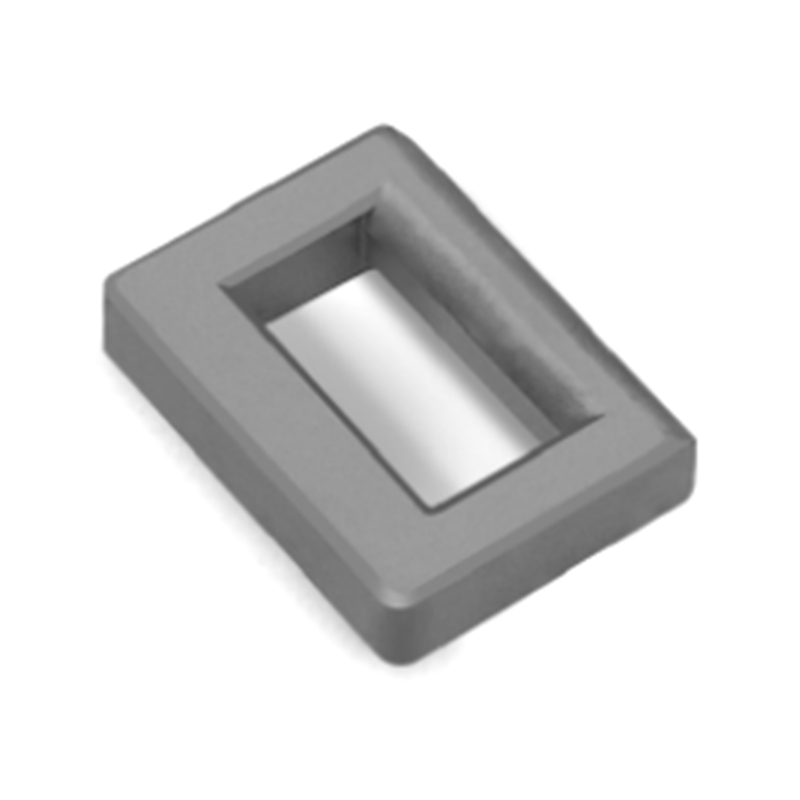
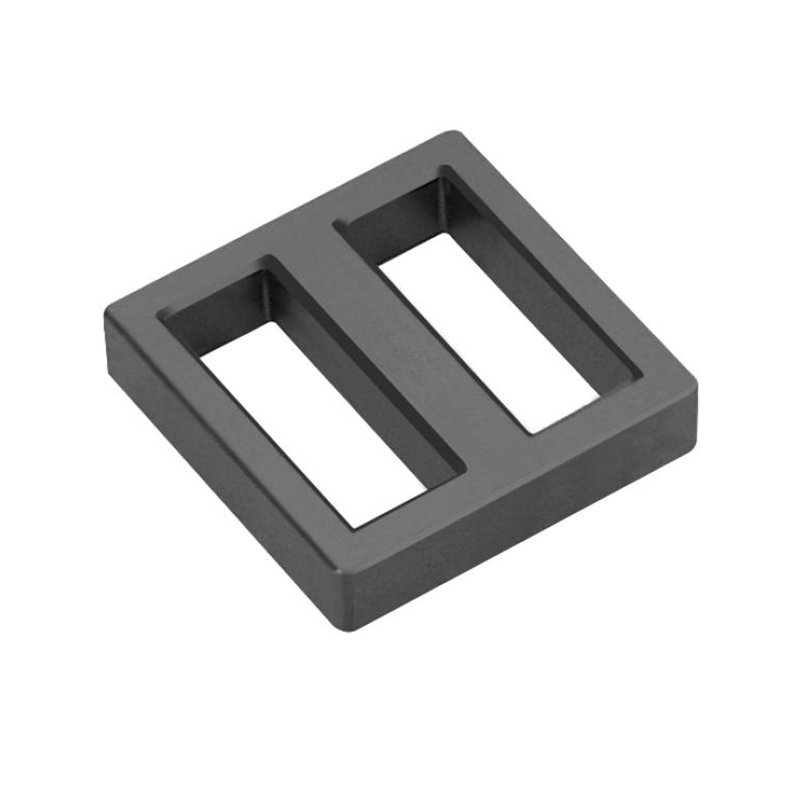
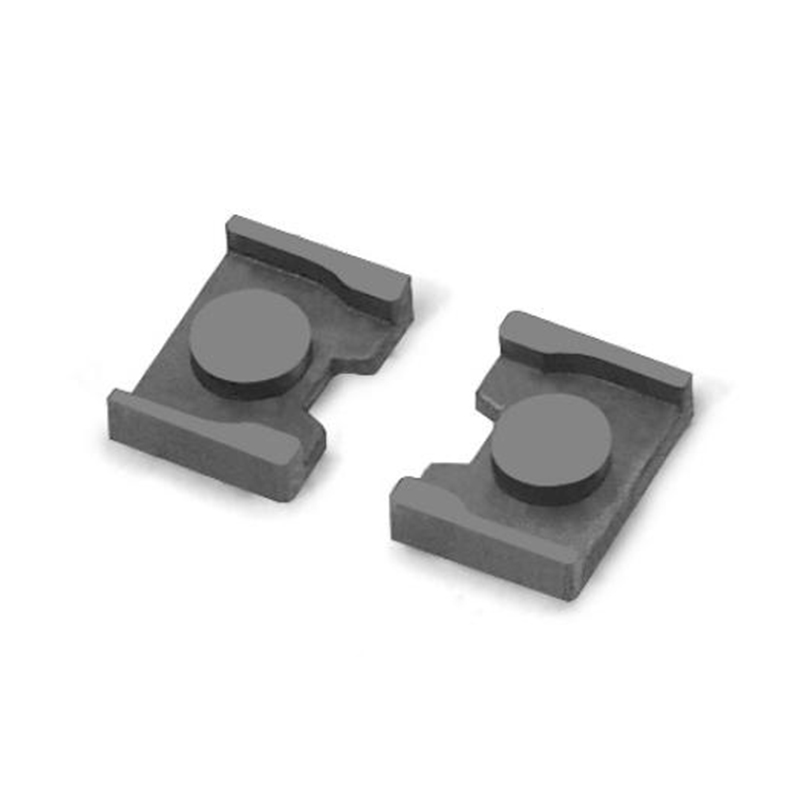
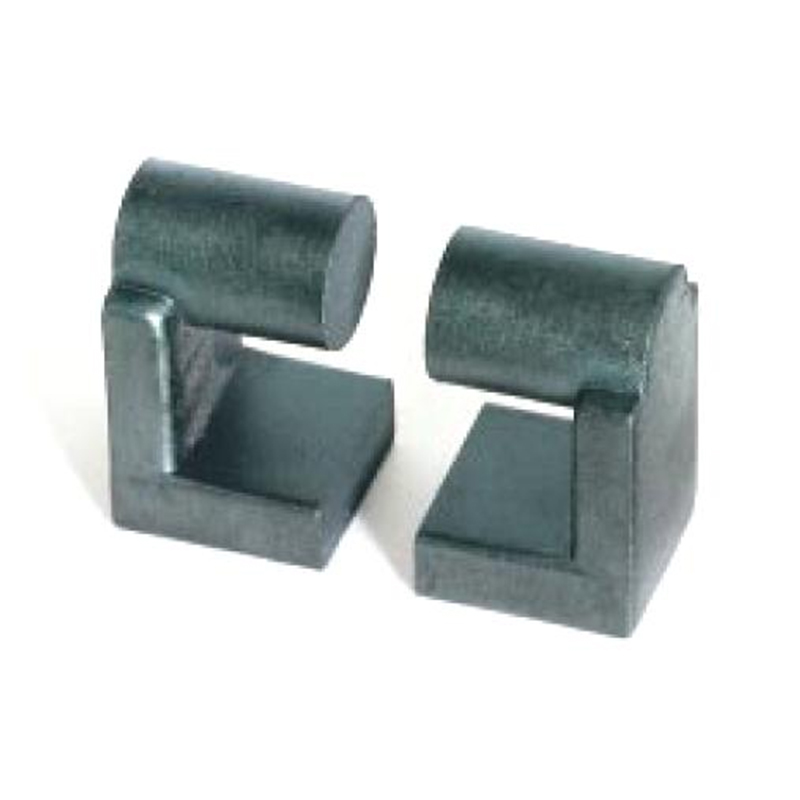
Material grade and core geometry work together. soft magnetic ferrite cores in various shapes and grades serve different winding and thermal requirements. For common-mode chokes, toroids maximize flux path length and minimize leakage. For SMPS transformers, E-core and ETD geometries simplify winding and improve heat dissipation from the core surface. For compact DC-DC inductors, PQ and RM shapes offer a good volume-to-winding-area ratio.
If your application demands MnZn power ferrite for high-flux switching applications, note that high-conductivity grades and standard power grades overlap in composition but are optimized differently — power grades prioritize low hysteresis loss at high flux density, while high-conductivity grades push resistivity to reduce eddy current loss, making them better suited for noise suppression and filter inductors where the core operates at moderate flux levels.
Handling and Storage Considerations
Ferrite is brittle and sensitive to mechanical shock — even a hairline crack from mishandling can significantly alter inductance. Store cores in padded packaging away from mechanical vibration and avoid thermal cycling during incoming inspection. Humidity above 85% RH over extended periods can degrade surface resistance on some grades, so sealed or climate-controlled storage is worth the investment if your production cycle spans weeks or months.
When assembling gapped cores for power inductors, ensure uniform gap filling with non-magnetic shims of known permeability. An uncontrolled gap variation of even 0.05 mm will shift inductance by several percent — enough to cause issues in tightly toleranced converter designs. For guidance on comparing MnZn and NiZn cores across different core shapes and application types, detailed selection references are available that walk through the decision criteria systematically.
The Bottom Line for Component Engineers
Mn-Zn high conductivity ferrite occupies a precise niche: it performs where standard MnZn starts to lose efficiency at higher frequencies, and it does so without the cost premium or lower Bs of NiZn alternatives. For designs in the 50 kHz–1 MHz range — SMPS transformers, EMI common-mode chokes, power line filter inductors — it deserves serious consideration as the default core material. The key is matching the grade's specific resistivity and permeability profile to your operating conditions, rather than defaulting to the highest-permeability option on the shelf.
For a broader look at how MnZn ferrite cores are applied across power electronics and EMI suppression systems, additional technical references cover material grades, loss modeling, and thermal design in depth.
Previous Post
How to Choose the Right Soft Magnetic Ferrites: A Practical Engineer's Guide
Next Post
MnZn Ferrite Core Selection Guide: Properties, Types & Applications