
 English
 한국어
한국어 中文简体
中文简体Home / News / Industry News / Soft Magnetic Ferrites: A Practical Selection Guide for Transformers and Inductors
Soft Magnetic Ferrites: A Practical Selection Guide for Transformers and Inductors
Content
- 1 Why Soft Magnetic Ferrites Are the Workhorse of High-Frequency Power
- 2 What Are Soft Magnetic Ferrites?
- 3 Soft Ferrites vs. Hard Ferrites: Key Differences
- 4 Material Families: Mn-Zn and Ni-Zn Ferrites
- 5 Key Magnetic Properties to Check Before Selecting a Core
- 6 Selecting Soft Magnetic Ferrites: A Practical Checklist
- 7 Common Applications and Final Selection Advice
Why Soft Magnetic Ferrites Are the Workhorse of High-Frequency Power
During a 100 kHz dc-dc converter prototype test, the transformer core temperature rose 35 °C above ambient in less than ten minutes. The windings were within specification, but the core loss was not. Soft magnetic ferrites are usually the first material chosen for this kind of application because they combine high electrical resistivity with low core loss at switching frequencies. The catch is that soft ferrites are not one material. How well they perform depends on the ferrite family, the material grade, and the operating conditions.
What Are Soft Magnetic Ferrites?
Soft magnetic ferrites are ceramic compounds made mainly from iron oxide combined with oxides of manganese, zinc, nickel, or other elements. They are called soft because they have low coercivity and can be easily magnetized and demagnetized. They are not mechanically soft; in fact, they are hard, brittle ceramics.
What soft means in magnetic terms
Low coercivity means a small magnetic field can reverse the material’s magnetization. This produces a narrow hysteresis loop, so the material wastes less energy in each switching cycle. That is exactly what a transformer or inductor core needs when current changes at tens or hundreds of kilohertz.
Why resistivity matters
Unlike metallic magnetic materials, ferrites have high electrical resistivity. Eddy currents induced by alternating flux therefore stay small, which reduces heating and keeps efficiency high at high frequencies. This is the central reason why ferrite cores, rather than silicon steel or permalloy, are used above 20 kHz.
Soft Ferrites vs. Hard Ferrites: Key Differences
If you are evaluating soft magnetic ferrites for the first time, the term ferrite can be confusing because hard ferrites are also called ferrites. The difference is not the chemical family; it is magnetic behavior. Soft ferrites have low coercivity and a narrow hysteresis loop, while hard ferrites have high coercivity and retain strong magnetization.
| Property | Soft ferrite | Hard ferrite |
|---|---|---|
| Coercivity | Low, typically below 80 A/m | High, often above 100 kA/m |
| Hysteresis loop area | Small, low loss per cycle | Large, retains a strong field |
| Function in a circuit | Guide and switch magnetic flux | Supply a steady magnetic field |
| Common applications | Transformer cores, inductor cores, EMI filters | Speakers, motors, holding magnets |
Why this matters in transformer and inductor design
In power conversion, flux must swing back and forth many times per second. A hard ferrite would resist that change and dissipate energy through hysteresis loss. A soft ferrite accepts the change, which is why transformer and inductor cores are almost always soft magnetic parts.
Where hard ferrites remain necessary
When you need a magnetic field that stays after the current is removed, hard ferrites are required. They are permanent magnets, not core materials. Selecting them for a core because they have a similar name is a common procurement mistake with expensive consequences.
Material Families: Mn-Zn and Ni-Zn Ferrites
Most soft magnetic ferrites belong to one of two families: manganese-zinc (Mn-Zn) or nickel-zinc (Ni-Zn). Mn-Zn ferrites offer higher initial permeability and higher saturation flux density. Ni-Zn ferrites offer much higher electrical resistivity and are therefore useful at higher frequencies.
Mn-Zn power ferrites
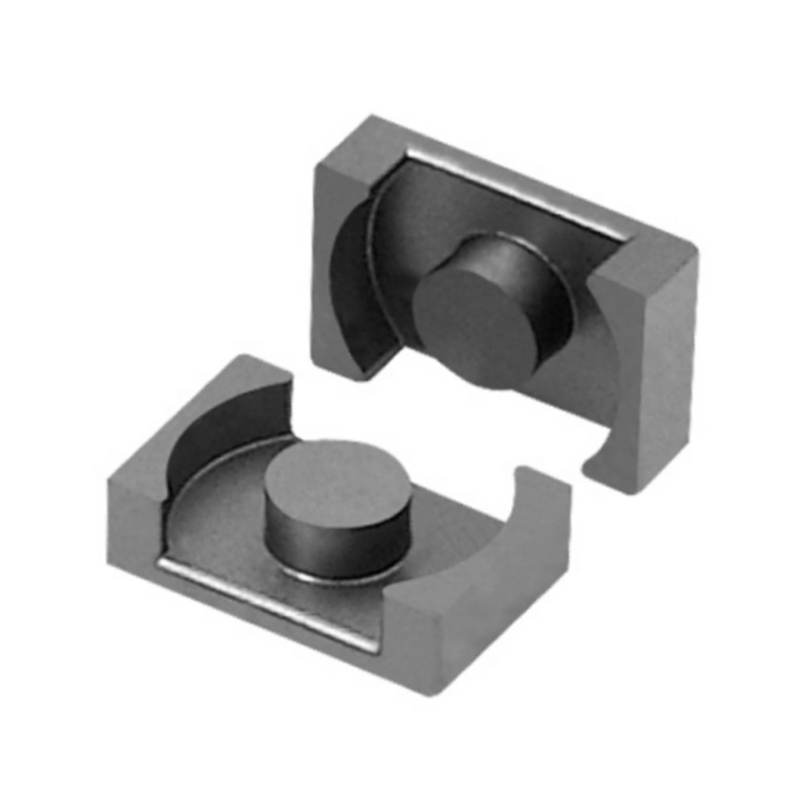
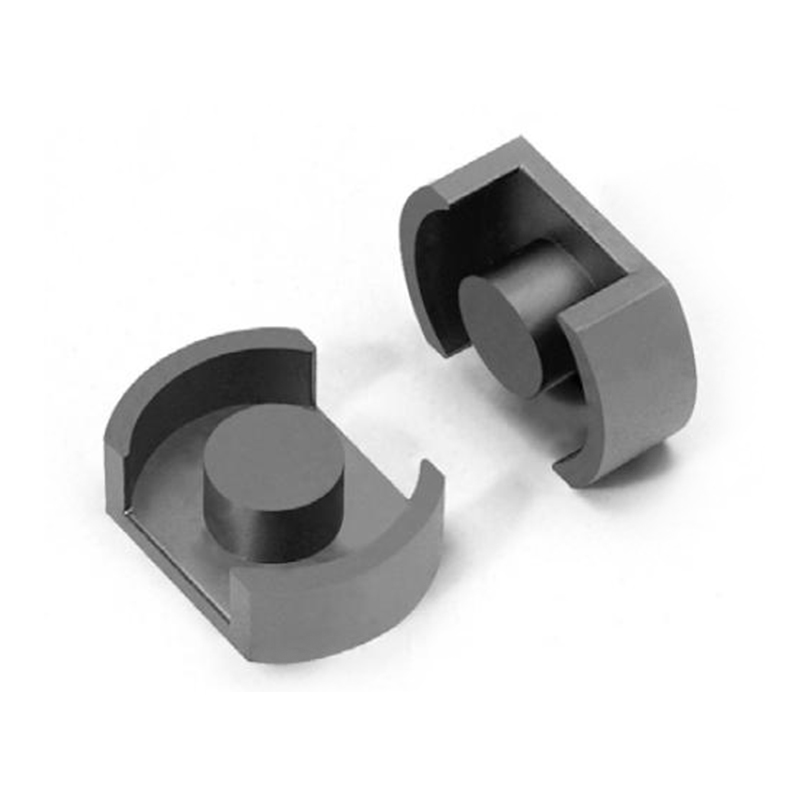
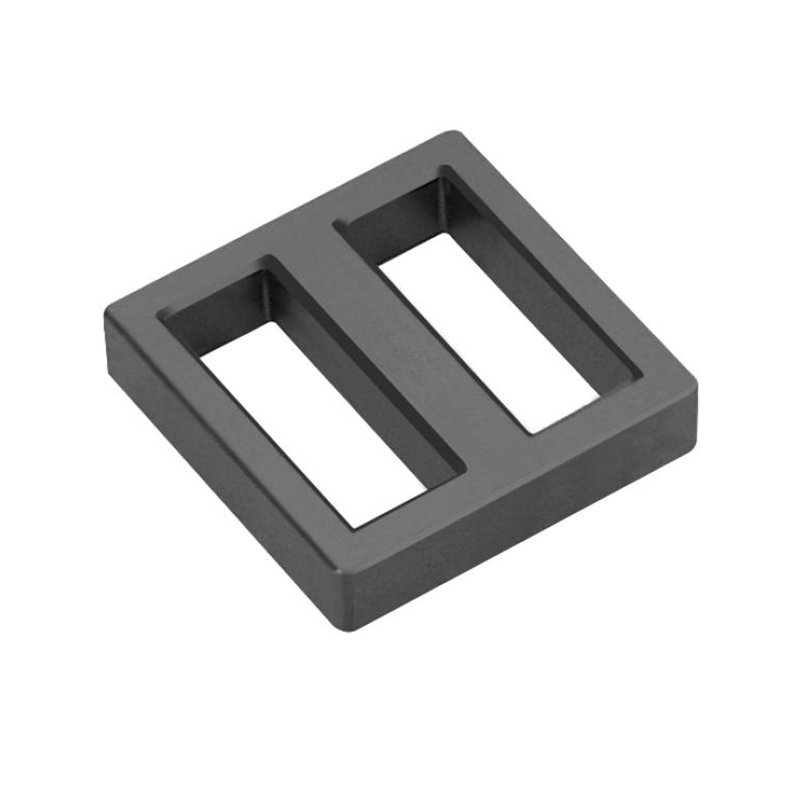
For switch-mode power supplies, lighting drivers, and power transformers, Mn-Zn power ferrites dominate because they handle higher flux density and show low core loss in the 20 kHz to 1 MHz range. If a power inductor fails from overheating, the first thing to review is the core loss of the selected Mn-Zn grade. Mn-Zn power ferrite cores are the product family most engineers start with for these applications.
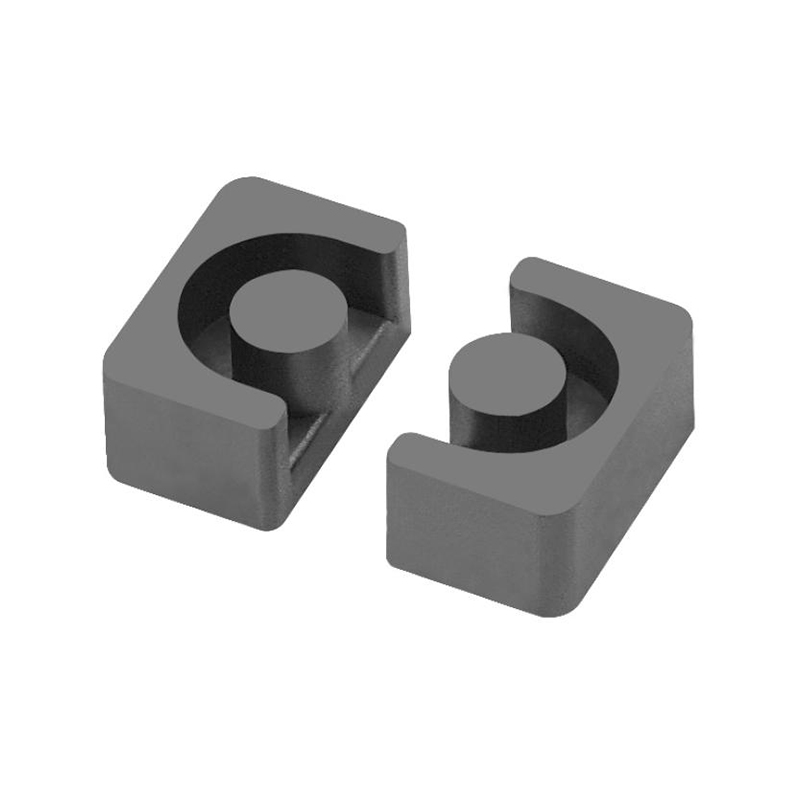
 MnZn Ferrite Core Manufacturers, Mn-Zn Ferrite SuppliersTongxiang Yaorun Electronics Co., Ltd. is China Mn-Zn ferrite suppliers and OEM/ODM MnZn ferrite core manufacturers, our factory offer wh...View Product →
Mn-Zn high-conductivity ferrites
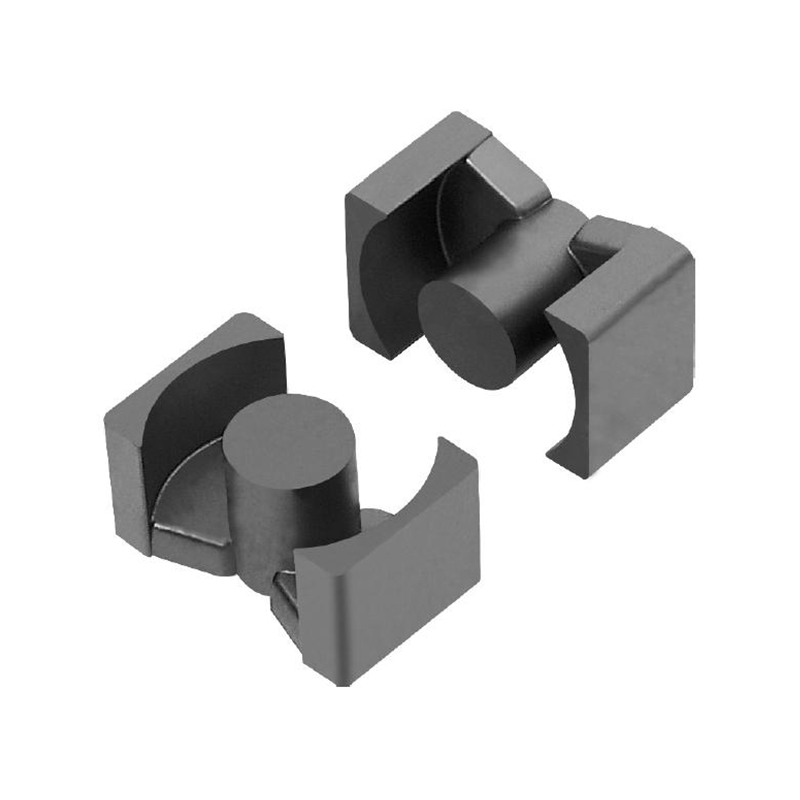
Mn-Zn high-conductivity ferrite cores are optimized for high initial permeability and stable impedance behavior. In product catalogs, the label is often used to describe magnetic conductivity, which translates to high permeability in practical terms. These cores deliver more impedance per turn, so they fit common-mode chokes, signal filtering, and other applications where a controlled frequency response matters more than maximum power handling. Mn-Zn high-conductivity ferrite cores should be compared by their permeability-versus-frequency and impedance curves, not by a single datasheet number.
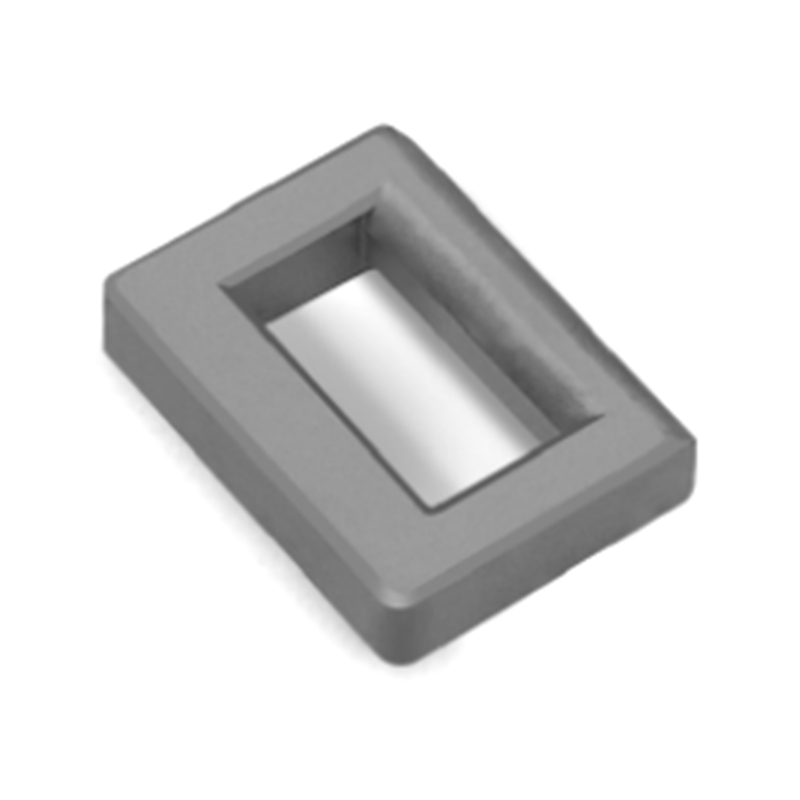
Mn-Zn High Conductivity Ferrite Manufacturers, SuppliersAs China OEM/ODM Mn-Zn high conductivity ferrite manufacturers and suppliers, Tongxiang Yaorun Electronics Co., Ltd. manufacturing of who...View Product →
Nickel-zinc ferrites
Ni-Zn ferrites have much higher electrical resistivity than Mn-Zn grades, so eddy-current loss stays low at frequencies above a few megahertz. Their saturation flux density and permeability are lower, but they are well suited for EMI suppression, antenna cores, and high-frequency inductors where small-signal performance matters.
For a fuller review of family differences, see this detailed comparison between Mn-Zn and Ni-Zn core types.
Key Magnetic Properties to Check Before Selecting a Core
Every supplier will show a material grade table. The risk is that those numbers are measured at conditions that do not match your circuit. Look at these four properties first.
Initial permeability
Initial permeability, usually written as μi, tells you how easily the core accepts flux at a low field. Values for Mn-Zn power grades often range from 1,000 to 3,000, while high-permeability Mn-Zn grades can reach much higher. Permeability changes with frequency, temperature, and DC bias, so always ask for curves, not just a single number.
Core loss
Core loss is expressed in kilowatts per cubic meter or mW/cm³, and it is measured at a specific frequency and flux density. A material that performs well at 100 kHz and 50 mT may be unacceptable at 300 kHz and 200 mT. Compare the loss curves at your exact operating point.
Saturation flux density
Mn-Zn ferrites typically saturate in the 0.35 to 0.5 T range, far lower than metallic materials. If the core approaches saturation, inductance drops and losses climb. DC bias tests are especially important for power inductors in battery-powered equipment.
Curie temperature and stability
Above the Curie temperature, ferrite loses its magnetic properties. Most Mn-Zn grades have Curie temperatures above 130 °C, but the usable range is lower. Wide-temperature power grades are formulated to keep core loss relatively flat over the automotive or industrial operating range.
Selecting Soft Magnetic Ferrites: A Practical Checklist
Use this order when you compare grades, because it prevents the common mistake of choosing a material solely by initial permeability.
- Define your frequency, waveform, and target flux density.
- Compare core loss at those conditions and at your worst-case temperature.
- Check how inductance changes with DC bias or peak AC current.
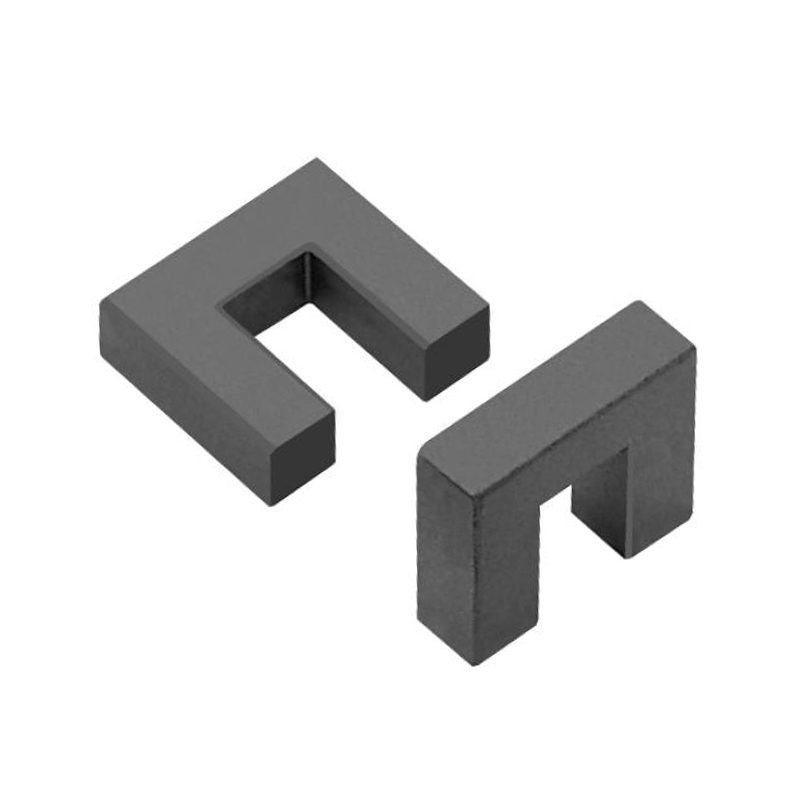
- Confirm the core shape and mechanical tolerance fit your winding and assembly process.
- Ask for batch test data and the measurement method.
A longer walkthrough is available in this practical selection guide for soft magnetic ferrites.
What to ask during procurement
Ferrite grades are not perfectly consistent between batches. Permeability can vary by 20% or more unless the supplier controls powder preparation, pressing, and sintering carefully. When a transformer must meet a narrow inductance tolerance, confirm that the supplier can deliver cores sorted for that target. Speak directly with a materials engineer before you approve the grade, and ask for the same test conditions that your design uses.
Why powder quality should be part of the conversation
The magnetic microstructure of a ferrite core starts in the powder. Impurity levels, particle size distribution, and calcination conditions determine grain size and final magnetic behavior. For that reason, a supplier that controls the route from powder to finished core can usually produce more repeatable parts. If you are manufacturing cores internally, source soft magnetic ferrite powder with documented chemistry and consistent particle characteristics.
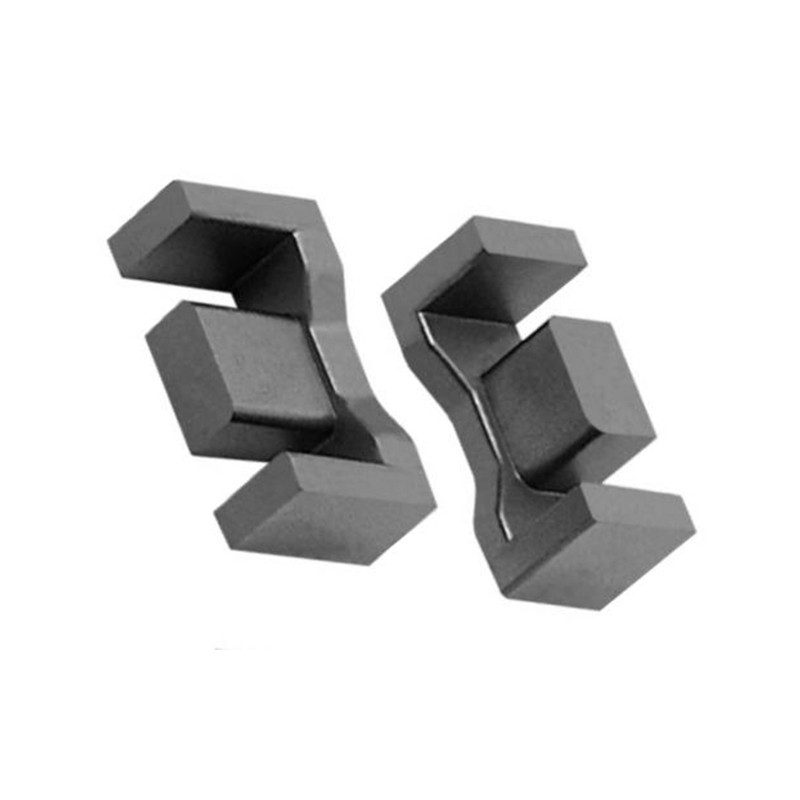
Soft Mn-Zn Magnetic Ferrite Powder Manufacturers, SuppliersTongxiang Yaorun Electronics Co., Ltd. is China Mn-Zn ferrite powder manufacturers and OEM /ODM soft magnetic ferrite powder suppliers, o...View Product →Common Applications and Final Selection Advice
Soft magnetic ferrites appear in switch-mode power supplies, LED lighting drivers, battery chargers, telecommunications power systems, automotive dc-dc converters, solar and storage inverters, wireless charging pads, and EMI filters. In each application, the selection logic is similar: power-oriented designs need low core loss and stable saturation behavior; filter-oriented designs need controlled permeability and impedance; automotive designs need wide temperature stability and full documentation.
Start your next design with the expected frequency, loss budget, and thermal limit. Use those numbers to choose a material family, then verify the grade with supplier curves. If the datasheet looks too good to be true, request a sample and measure the core on your own fixture. A successful magnetic design is often less about finding the most advanced material and more about matching a proven ferrite grade to the real operating window.
Previous Post
Manganese-Zinc Ferrite: Key Properties, Applications, and Selection Guide
Next Post
Mn-Zn Ferrite Properties and Selection Guide